You don’t really think about your water heater until it stops working.
Same with the dishwasher. Or the washing machine. These are background appliances — the quiet workhorses of the house. They hum along for years, handling the mess, the laundry, the hot showers. Until one day they don’t.
And when they fail, it’s rarely dramatic. It’s inconvenient. It’s expensive. And it usually comes sooner than you expected.
A lot of homeowners blame age. Or bad luck. But sometimes the issue isn’t the appliance at all. It’s the water running through it every single day.
The Slow Damage Hard Water Can Cause
If you live in an area with hard water, you’re dealing with dissolved minerals like calcium and magnesium. They’re not harmful to drink. But inside a hot water heater? Inside a dishwasher? That’s another story.
When hard water is heated, those minerals separate and form scale — a chalky, stubborn buildup that clings to heating elements and internal components. Over time, scale insulates heating elements, forcing them to work harder. Pipes can narrow. Valves can clog.
It’s not something you see happening. It’s gradual. But it’s constant.
And that steady accumulation can shorten how long appliances function at their best.
The Case for Softer Water
Many homeowners who install a water softener aren’t doing it for luxury. They’re doing it for longevity.
One of the most practical advantages people notice is a longer appliance lifespan.
When scale buildup is reduced, heating elements stay cleaner. Internal components operate without the added stress of mineral deposits. Water heaters, dishwashers, and washing machines don’t have to overcompensate.
The difference isn’t immediate. It’s cumulative.
Instead of replacing a water heater in eight years, maybe it lasts twelve. Instead of constant dishwasher repairs, you get steady performance.
That quiet extension of usefulness is where real value starts to show.
Fewer Repairs, Fewer Headaches
Beyond lifespan, there’s something even more appealing: predictability.
Hard water contributes to clogged spray arms in dishwashers, stiff valves in washing machines, and scaling in coffee makers and humidifiers. It’s not catastrophic. It’s annoying.
And annoying often turns into service calls.
When mineral buildup is managed, many homeowners experience reduced maintenance overall. Fewer descaling treatments. Fewer specialty cleaners. Fewer repair appointments interrupting your schedule.
Maintenance doesn’t disappear — appliances still require care. But it becomes routine instead of reactive.
There’s something calming about that shift.
The Financial Side We Don’t Always Calculate
It’s easy to focus on the upfront cost of water treatment systems. What’s harder to see is the financial ripple effect of untreated hard water.
Scale buildup makes appliances less efficient. Water heaters require more energy to heat through mineral insulation. Dishwashers may need extra cycles. Washing machines can lose performance over time.
Those inefficiencies add up — quietly increasing utility bills month after month.
When systems run cleaner, they operate closer to their intended design. That’s where cost savings often come into play.
Not in one dramatic reduction, but in incremental improvements. Lower energy use. Fewer replacement parts. Extended replacement timelines.
Over five or ten years, those differences can be meaningful.
Everyday Comfort Matters Too
This isn’t only about machinery.
Softened water changes how laundry feels. Towels come out less stiff. Clothes may retain color better. Soap lathers more easily, which can mean using less detergent.
Shower doors stay clearer longer. Faucets require less scrubbing.
These aren’t luxury perks. They’re everyday conveniences.
When cleaning feels easier and appliances behave consistently, your home feels less like a constant maintenance project.
Is It Always Necessary?
Not every home has severe hard water. Testing is essential.
Water hardness is measured in grains per gallon (GPG). Mild hardness might not justify investment in a full softening system. Moderate to high hardness often does.
The smartest approach is to gather data first. Municipal water reports or home testing kits can give you clarity.
Once you know what you’re dealing with, the decision becomes less emotional and more practical.
Maintenance of the Solution
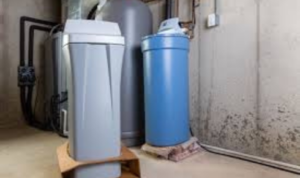
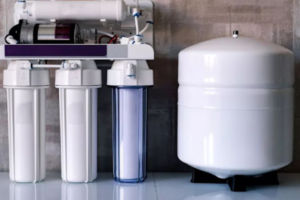
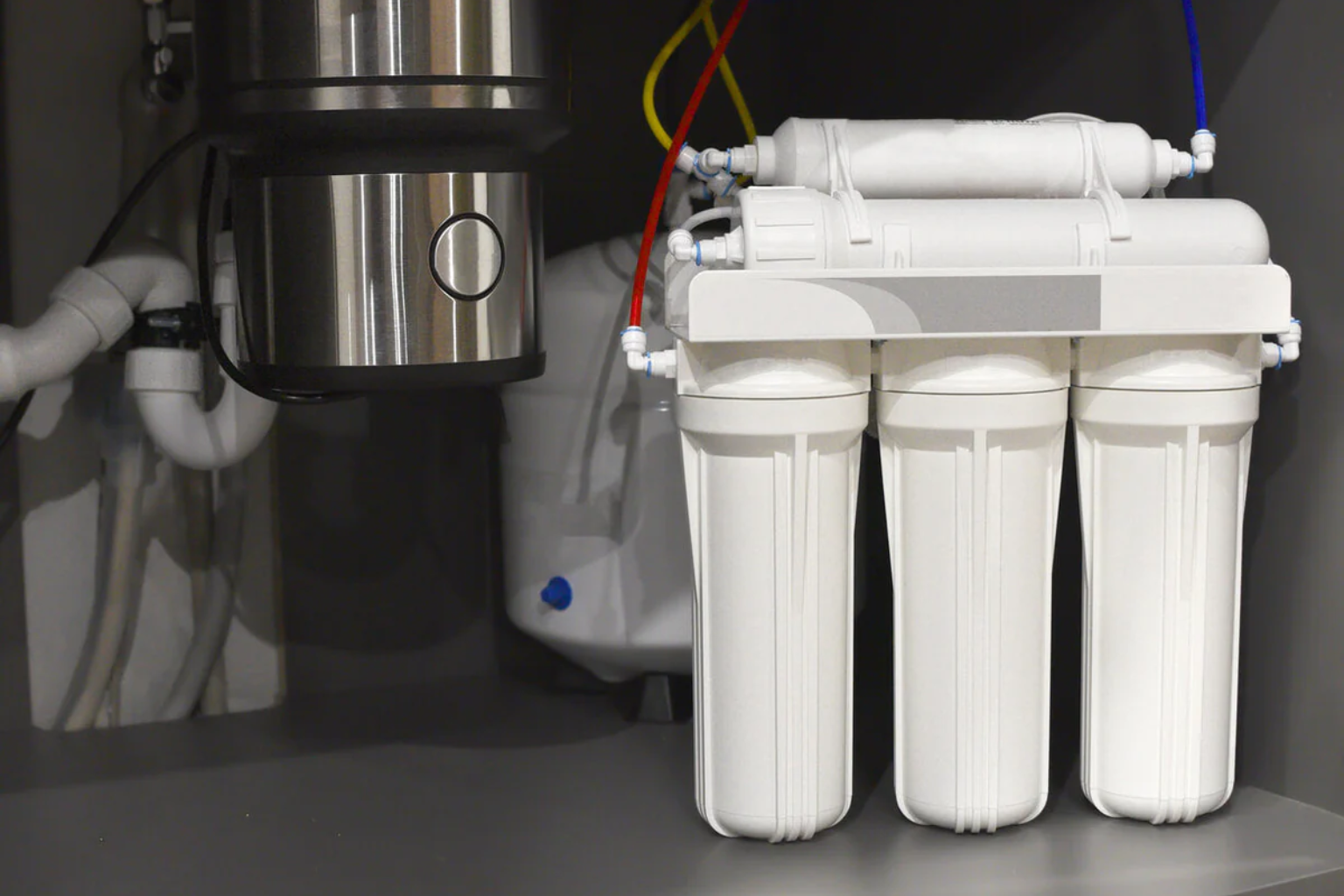
It’s worth mentioning: water softeners and filtration systems aren’t “set it and forget it” devices.
Salt needs replenishing. Filters need changing. Systems need occasional inspection.
But compared to repeated appliance breakdowns or chronic descaling efforts, many homeowners find the tradeoff manageable.
A little preventative attention tends to beat reactive repairs.
The Long View
Appliances are investments. A quality water heater or washing machine isn’t cheap. And replacing them disrupts more than just your budget — it disrupts routines.
Protecting those investments makes sense.
Water is constant. It flows through your home every day, interacting with systems designed to last. When that water is gentler — free from excessive mineral load — everything downstream benefits.
The changes might not feel dramatic. They feel steady. Reliable.
And reliability is underrated.
Final Thoughts
You can’t always see what water is doing inside your appliances. But over time, you can feel the effects.
Cleaner internal components, fewer service calls, steadier performance — these aren’t flashy improvements. They’re foundational ones.