Most of us have a quiet trust in the water that flows from our taps. We use it every day without hesitation — filling kettles, washing vegetables, rinsing dishes, taking long showers after exhausting days. It’s such a normal part of life that we rarely pause to think about it.
Until, of course, something changes.
Maybe the water suddenly tastes a little sharp. Or you notice a faint smell when filling a glass. Sometimes it’s visual — the water looks slightly hazy when poured into a clear container. These moments often create a small but persistent question in the back of your mind: Is this normal?
The answer is usually yes — but it can also mean your water is trying to tell you something.
Why Water Quality Isn’t Always Obvious
Water that meets municipal safety standards isn’t always perfect in terms of taste, smell, or clarity. Treatment plants focus on removing harmful pathogens and ensuring safety, but they can’t always eliminate every factor that affects water quality.
That’s why changes in water characteristics often relate to harmless but noticeable elements — disinfectants, dissolved minerals, or natural environmental factors.
Understanding these changes helps homeowners distinguish between normal variations and issues that might require attention.
The Most Common Taste and Smell Concern
One of the most frequent complaints about tap water involves a faint chemical flavor or odor. This often stems from chlorine, a disinfectant widely used in municipal water treatment.
Chlorine plays a vital role in keeping water safe by eliminating harmful microorganisms during distribution. However, it can sometimes create an unpleasant chlorine taste odor that affects drinking water quality.
Many people describe it as similar to the smell of a swimming pool — noticeable but not necessarily harmful.
While this issue rarely indicates a health risk, it can make water less appealing for drinking, cooking, and making beverages like tea or coffee.
Fortunately, simple filtration solutions can significantly reduce chlorine levels, improving both taste and smell.
When Water Safety Becomes a Concern
While most water quality changes are harmless, there are situations where further investigation may be necessary.
For example, bacterial contamination can occur in private wells, aging plumbing systems, or poorly maintained water storage tanks. Unlike chlorine-related taste issues, bacterial presence may pose health risks if not addressed promptly.
Signs can include unusual odors, changes in taste, or sometimes no noticeable symptoms at all.
This is why routine water testing is particularly important for homes relying on well water. Regular monitoring helps detect potential issues early, ensuring safe drinking water.
Municipal systems generally include rigorous monitoring processes, making bacterial contamination less common in treated city water supplies.
Understanding Why Water Sometimes Looks Hazy
Visual changes in water can also raise concerns, especially when water appears milky or slightly opaque when poured into a glass.
In many cases, cloudy water results from tiny air bubbles trapped during pressure fluctuations in the plumbing system. These bubbles typically dissipate quickly once the water sits still for a few moments.
Another possible cause is suspended sediment, especially after maintenance work on municipal pipelines or disturbances in well systems.
While cloudy water is often harmless, persistent cloudiness may indicate the need for filtration or plumbing inspection.
Understanding the difference between temporary and ongoing cloudiness helps homeowners determine when action is necessary.
How Water Treatment Helps Address These Issues
Modern water treatment technologies are designed to address a wide range of quality concerns effectively.
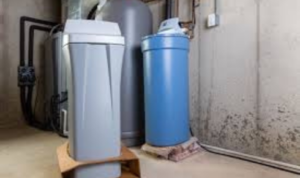
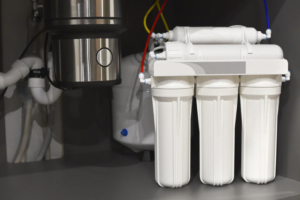
Activated carbon filtration systems can remove chlorine compounds, improving taste and odor. Ultraviolet treatment systems help neutralize bacteria without using chemicals.
Sediment filters can eliminate particles responsible for cloudiness, ensuring clearer water.
These solutions work together to enhance water quality without altering its essential safety characteristics.
The Everyday Benefits of Better Water Quality
Improved water quality offers benefits that extend beyond drinking. Clean, well-treated water enhances cooking results, improves appliance performance, and makes cleaning tasks easier.
Clothes washed in treated water often feel softer and retain their color longer. Dishes dry without streaks. Plumbing systems remain cleaner, reducing maintenance needs.
These small improvements gradually accumulate, creating a noticeable difference in everyday comfort.
The Role of Technology in Modern Water Care
Advancements in water treatment technology have made quality management more accessible than ever. Many systems now include digital monitoring features that track filter performance and water usage patterns.
Some even provide real-time alerts when maintenance is required, ensuring consistent performance without manual oversight.
This shift toward intelligent water management allows homeowners to address quality concerns proactively rather than reactively.
The Emotional Comfort of Trusting Your Water
Beyond technical improvements, there’s an emotional dimension to water quality. Reliable, clean water creates a sense of confidence that’s difficult to quantify but easy to feel.
You stop hesitating before filling a glass. Cooking feels more reassuring. Daily routines become smoother and more predictable.
These small comforts play an important role in overall household well-being.
Listening to What Your Water Is Telling You
Water may seem silent, but it communicates through subtle changes in taste, smell, and appearance.
By paying attention to these signals, homeowners can identify potential issues early and take appropriate action when necessary.
Because ultimately, water isn’t just a resource — it’s a constant companion in everyday life. And when it feels right, everything else tends to flow a little more smoothly too.