You don’t usually notice water until it leaves a mark.
A chalky ring around the faucet. A cloudy film on your shower door. Dishes that come out of the dishwasher looking slightly dull. At first, it feels cosmetic — a minor inconvenience, nothing urgent. But over time, those little signs tell a bigger story about what’s happening behind your walls.
Hard water doesn’t announce itself loudly. It settles in quietly. Mineral by mineral. Layer by layer.
And by the time it becomes obvious, the damage is often already done.
What Hard Water Is Actually Doing
Hard water contains elevated levels of minerals, typically calcium and magnesium. These minerals aren’t dangerous to drink, but they don’t just pass through your home unnoticed. They cling to surfaces. They collect in pipes. They harden inside heating elements.
That visible residue on your sink? That’s just the surface version of what’s happening inside your plumbing system.
Over months and years, mineral buildup restricts water flow and forces appliances to work harder. Water heaters become less efficient. Washing machines struggle. Dishwashers lose performance.
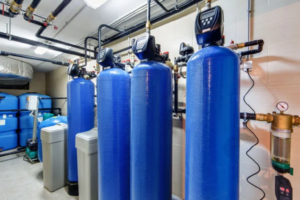
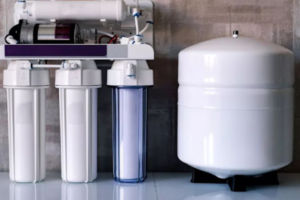
This is where thoughtful scale prevention becomes more than a buzzword. It’s a strategy — one that addresses mineral accumulation before it turns into costly repairs.
Why Prevention Beats Replacement
When an appliance fails, it often feels sudden. The water heater stops producing hot water. The dishwasher makes strange noises. The washing machine leaks.
But most of these failures don’t happen overnight. They’re the result of internal stress. Repeated exposure to hard water gradually weakens components, corrodes surfaces, and reduces efficiency.
Investing in proper water conditioning supports long-term appliance protection. Instead of reacting to breakdowns, you reduce the strain placed on equipment from the start.
It’s not glamorous. It doesn’t come with dramatic before-and-after photos. But it quietly extends the lifespan of the machines you rely on every day.
The Energy Factor
There’s another cost people don’t immediately consider: energy.
When scale builds up inside a water heater, it acts as insulation — but not the helpful kind. The heating element must work harder to warm the water because mineral deposits block direct heat transfer.
That extra effort translates into higher utility bills.
Even a small layer of scale can noticeably reduce efficiency. Over time, those incremental increases in energy consumption add up.
Prevention isn’t just about protecting hardware. It’s about maintaining performance and controlling costs.
Soap, Skin, and Laundry
Hard water doesn’t just affect appliances. It impacts daily comfort.
Soap reacts with minerals in hard water, forming residue instead of lather. That residue clings to skin, leaving it feeling dry or tight after a shower. Hair may appear dull. Towels can feel stiff despite careful washing.
Laundry detergent becomes less effective, requiring higher amounts to achieve the same cleaning results.
A comprehensive approach to household water treatment addresses these everyday experiences. Treated water allows soap to function properly. Fabrics retain softness. Showers feel smoother.
The difference is subtle — but noticeable.
Plumbing Under Pressure
It’s easy to overlook plumbing because it’s hidden. But mineral buildup inside pipes reduces water flow and increases internal pressure.
Over time, that pressure can stress joints and fittings. Small leaks may develop. Repairs become more frequent.
Preventing scale formation reduces long-term plumbing strain. It keeps water moving freely and consistently.
The peace of mind that comes from knowing your infrastructure isn’t slowly deteriorating? That’s hard to quantify — but incredibly valuable.
Testing Before Acting
Before installing any system, testing your water is crucial. Mineral levels vary by region, and assumptions can lead to mismatched solutions.
A professional water test identifies hardness levels, pH balance, and potential contaminants. Armed with data, you can choose a treatment system that aligns with your specific needs.
Guesswork often leads to overspending or ineffective solutions.
Clarity prevents waste.
Maintenance Matters
Installing a water conditioning system isn’t the end of the process.
Softening systems require periodic salt refills. Filters need replacement. Regular checkups ensure components operate efficiently.
Neglecting maintenance undermines prevention efforts. Consistency keeps systems working as intended.
Fortunately, modern systems often include indicators or monitoring tools that simplify upkeep.
Environmental Considerations
Some homeowners worry about the environmental impact of water treatment systems.
It’s worth noting that efficient systems can actually reduce waste by improving appliance performance and lowering energy consumption. Additionally, preventing premature appliance replacement reduces landfill contributions.
Like most decisions, balance matters. Choosing modern, efficient equipment and maintaining it responsibly supports sustainability goals.
Is It Worth It?
If your water seems “fine,” you might hesitate.
But think about it this way: scale doesn’t disappear on its own. It accumulates. Slowly. Quietly.
Addressing the issue early protects infrastructure, lowers energy usage, and enhances daily comfort.
Prevention rarely feels urgent — until it’s too late.
A Quiet Investment in Longevity
Water flows through every part of your home. It powers appliances. Cleans surfaces. Supports routines.
When it carries excess minerals, those routines gradually become more complicated.
Scale prevention and proper water treatment aren’t dramatic upgrades. They’re foundational ones.
You may never stand in your kitchen admiring your plumbing. But you will notice when everything works — smoothly, efficiently, without surprise repairs.