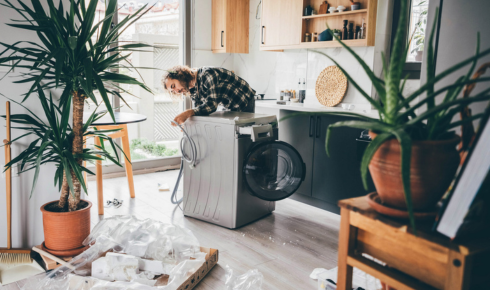
Most people think about water when they’re thirsty. Or maybe when they notice spots on their dishes. But beyond the glass in your hand or the steam from your shower, water quietly shapes how your entire home functions.
It runs through your dishwasher, your washing machine, your water heater. It touches your pipes, your fixtures, even the inside of your coffee maker. And if that water is heavy with minerals or sediment, the effects don’t show up overnight — they build slowly, almost politely.
Until they don’t feel so polite anymore.
Let’s talk about what really changes when you improve your home’s water quality — and why the benefits often extend further than people expect.
The Everyday Strain You Don’t See
Hard water and mineral-rich water don’t typically cause dramatic problems at first. Instead, they introduce gradual wear.
Heating elements inside water heaters collect scale. Dishwashers work harder to rinse away residue. Washing machines accumulate buildup in hidden corners.
You might not notice anything unusual for months. Maybe even years. But internally, appliances are under constant stress.
When mineral buildup is minimized, you often see a longer appliance lifespan — not because the machines are different, but because they aren’t fighting against scale every time they run.
It’s like driving on a smooth road instead of a gravel one. Less friction means less wear.
And over time, that difference matters.
Less Time Fixing, More Time Living
Maintenance is part of homeownership. We all accept that.
But there’s routine maintenance, and then there’s reactive maintenance — the kind that interrupts your week unexpectedly.
When water quality improves, many homeowners report reduced maintenance across the board. Fewer clogged showerheads. Less scrubbing of white residue around faucets. Dishwashers that perform consistently instead of unpredictably.
It’s not that maintenance disappears entirely. It just becomes more manageable.
And when you’re not constantly troubleshooting small water-related annoyances, you free up time and mental energy for things that actually matter.
That’s a benefit you can’t measure on a utility bill — but you definitely feel it.
The Financial Angle
Let’s be honest: home upgrades are often evaluated through one question — is it worth the money?
Improving water quality, whether through softening or filtration, isn’t usually the flashiest investment. But it can lead to meaningful cost savings over time.
When appliances last longer, you delay expensive replacements. When water heaters operate efficiently, energy bills can stabilize. When soap and detergent work more effectively in softer water, you may find yourself using less of them.
These savings rarely show up as a dramatic windfall. Instead, they accumulate quietly — month after month, year after year.
It’s the slow build that makes the difference.
Beyond the Numbers
While financial benefits matter, there’s something else at play: comfort.
Softened or filtered water often feels gentler on skin and hair. Laundry can feel softer. Showers may feel smoother.
These are small shifts, but they improve daily routines.
Think about the difference between a shower that leaves your skin tight and one that leaves it comfortable. It’s subtle, yet meaningful.
Better water enhances those everyday moments.
What Causes the Wear in the First Place?
The root of many water-related issues lies in mineral content. Calcium and magnesium are the primary culprits in hard water. When heated, they leave behind scale — that stubborn white crust you see on fixtures.
Over time, scale doesn’t just sit on surfaces. It builds up inside appliances and pipes.
Sediment and other particles can also contribute to internal strain. Even small amounts, repeated daily, add up.
Addressing these factors at the source reduces the ongoing stress placed on your home systems.
Testing Before Investing
Before making any changes, it’s wise to test your water.
Hardness levels vary widely by region. Some homes experience mild mineral content; others face significantly higher concentrations.
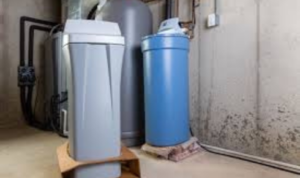
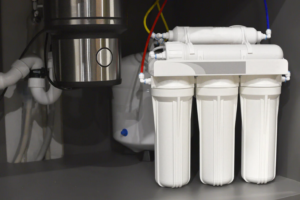
A simple water test reveals the facts. From there, you can decide whether a water softener, filtration system, or combination approach makes sense.
Data beats guesswork every time.
Maintenance Still Matters
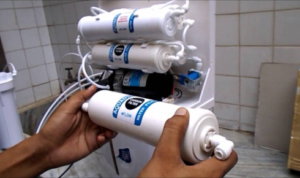
Improving water quality doesn’t eliminate responsibility. Softeners need salt refills. Filters require replacement.
But the maintenance is predictable and manageable — far more so than dealing with unexpected appliance failures.
Consistency keeps systems running efficiently.
And when you understand what your water system needs, upkeep becomes routine rather than reactive.
A Broader Perspective
Water flows through every room in your home. It’s foundational.
When it’s working smoothly, you barely think about it. When it isn’t, small frustrations accumulate.
Improving water quality isn’t about chasing perfection. It’s about reducing friction — in your plumbing, your appliances, and your daily life.
And while the benefits might not be obvious on day one, they reveal themselves gradually.
Fewer repairs. Less scrubbing. More consistent performance.
Final Thoughts
Home improvements often focus on what you can see. Fresh paint. New fixtures. Updated floors.
But some of the most impactful upgrades happen behind the scenes.
When your water supports your home instead of slowly wearing it down, everything feels a little easier.
Appliances last longer. Maintenance becomes less frequent. Costs stabilize over time.