There’s a strange relationship we all have with our home appliances. They’re not exactly emotional possessions, yet somehow they become familiar parts of daily life. You get used to the hum of your refrigerator late at night, the rhythm of your dishwasher after dinner, or the warmth of your dryer finishing a load of laundry.
So when one of them starts struggling, it feels oddly personal—like something dependable is quietly slipping out of sync with your routine.
And that’s when the inevitable question arises: should you fix it, or is it finally time to move on?
Why Appliances Rarely Fail All at Once
Most appliances don’t simply stop working overnight. Instead, they decline gradually, almost subtly. You might notice small changes first—a refrigerator running longer than usual, dishes coming out slightly damp, or clothes taking more than one cycle to dry.
At first, these signs seem minor. Easy to ignore, even. But they’re often early indicators that internal components are wearing out.
Understanding this gradual process helps homeowners make thoughtful decisions rather than reacting in a rush when something finally stops working completely.
Understanding How Long Refrigerators Really Last
Refrigerators are among the most durable appliances in a home, yet even they have limits. Most modern units operate efficiently for around 10 to 15 years, depending on maintenance and usage.
Knowing the expected refrigerator lifespan provides valuable perspective when performance begins to decline.
If a relatively new refrigerator develops minor issues, repairs often make sense. But if it’s nearing the end of its typical lifespan and experiencing frequent problems, replacement may be more practical.
Regular maintenance—like cleaning condenser coils and ensuring proper ventilation—can extend a refrigerator’s useful life significantly.
The Dishwasher Dilemma: Repair or Replace?
Dishwashers often create a unique challenge for homeowners. When they begin to malfunction, the problem may not feel urgent at first.
Maybe dishes aren’t coming out as clean, or the machine takes longer to complete cycles. These issues can persist for months before homeowners consider addressing them.
Making a thoughtful dishwasher repair decision requires evaluating several factors: the cost of repairs, the appliance’s age, and overall efficiency.
In many cases, replacing worn components—like spray arms or pumps—can restore full functionality without the need for a new unit.
However, older dishwashers that consume excessive water and energy may be better candidates for replacement.
When Dryers Begin Losing Efficiency
Dryers often show signs of aging through longer drying times, unusual noises, or inconsistent heating.
These symptoms can result from clogged vents, worn belts, or failing heating elements.
Sometimes repairs are straightforward and cost-effective. But when multiple components begin failing, homeowners may start considering dryer replacement as a more practical solution.
Newer dryer models often offer improved energy efficiency, advanced moisture sensors, and faster performance, making them attractive upgrades in certain situations.
The Hidden Role of Maintenance
One factor that significantly influences appliance longevity is regular maintenance.
Simple habits—like cleaning filters, checking connections, and addressing minor issues early—can prevent major breakdowns.
Many appliances fail prematurely simply because they haven’t received basic care.
Consistent maintenance not only extends lifespan but also improves efficiency, reducing long-term operating costs.
It’s a proactive approach that helps homeowners avoid unexpected disruptions.
The Emotional Side of Letting Go
It might seem surprising, but replacing appliances can carry emotional weight.
These machines become part of daily routines. You get accustomed to their sounds, their timing, even their quirks.
Letting go of an appliance you’ve relied on for years can feel like saying goodbye to a familiar presence.
Repairing, when possible, often preserves that sense of continuity.
But sometimes replacement brings its own comfort—the promise of improved performance and reliability.
Environmental Benefits of Repairing
Choosing to repair appliances rather than replace them also has environmental advantages.
Manufacturing new units requires significant energy and resources. Extending the lifespan of existing appliances reduces waste and conserves materials.
This sustainable approach aligns with growing awareness of responsible consumption.
It’s a practical way to support environmental stewardship while saving money.
Making the Right Choice
Deciding whether to repair or replace an appliance ultimately comes down to balance.
Factors like age, repair costs, efficiency, and performance all play a role.
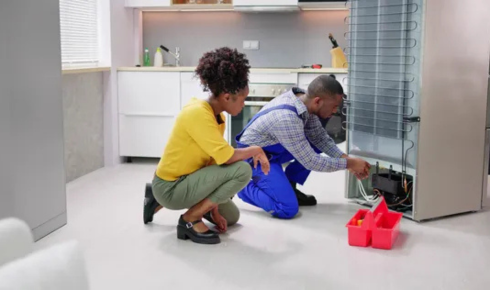
Consulting professional technicians can provide valuable insights, helping homeowners understand the true condition of their appliances.
Taking time to evaluate options ensures decisions are informed rather than impulsive.
A Quiet Part of Everyday Stability
Reliable appliances are easy to take for granted—until they stop working.
They support daily routines quietly, helping homes function smoothly without constant attention.
Whether you choose to repair or replace, the goal remains the same: maintaining stability and convenience in everyday life.