There’s a certain moment every homeowner eventually faces — the moment when a small plumbing issue stops feeling small. It might begin with a slow leak under the sink or a faint water stain on the ceiling that seems to grow overnight. You fix it once, maybe twice, but something feels different this time. The problem keeps coming back.
That’s when a bigger question starts to surface: Is this just a simple repair, or is it a sign of a system that’s reaching its limits?
Plumbing, like anything else in a home, ages quietly. Pipes don’t suddenly announce that they’re wearing out. They give subtle hints, little clues that often go unnoticed until a leak turns into a pattern.
Understanding how to respond at that stage can save not only money but also a great deal of stress.
The Early Signs of Plumbing Wear
Before pipes fail completely, they tend to leave a trail of small warnings. You might notice a drop in water pressure that seems hard to explain. Sometimes it’s discolored water when you first turn on the tap, or a faint rattling sound inside walls.
These are usually signs of internal corrosion or mineral buildup slowly affecting the system. In older homes especially, plumbing materials like galvanized steel can deteriorate over decades.
At this stage, addressing the problem early is critical. Often, localized solutions can effectively extend the life of the plumbing system without requiring a major overhaul.
When a Targeted Fix Is the Right Choice
Not every leak means the entire plumbing system needs replacement. In many cases, damage is isolated to a specific section of pipe, often due to corrosion or physical stress.
This is where spot repair becomes a practical and cost-effective solution. By focusing on the exact area where damage has occurred, technicians can repair or replace only the affected section, minimizing disruption to walls and flooring.
Spot repairs work best when the rest of the plumbing system remains structurally sound. They’re often used for small leaks, minor pipe cracks, or localized corrosion.
However, repeated repairs in different areas can indicate deeper systemic issues.
Recognizing When Repairs Are No Longer Enough
As plumbing systems age, problems tend to become more frequent. Leaks may appear in multiple locations, and water pressure issues can persist despite repairs.
At this point, homeowners often face a difficult decision: continue patching individual problems or consider more comprehensive solutions.
Sometimes, replacing entire sections of piping isn’t necessary. Instead, professionals may recommend exploring reroute options, which involve redirecting plumbing lines around damaged or hard-to-access areas.
Rerouting allows technicians to bypass problematic sections without extensive demolition, providing a long-term solution while minimizing disruption.
The Case for Full System Replacement
In homes with older plumbing systems, especially those over several decades old, recurring leaks can indicate widespread internal deterioration.
When repairs become frequent and costly, investing in repipe solutions may ultimately be the most effective option. Repiping involves replacing outdated pipes with modern materials designed for durability and efficiency.
Although it requires a larger initial investment, repiping often eliminates recurring problems, improves water quality, and restores consistent pressure throughout the home.
Many homeowners find that the long-term savings and reliability outweigh the upfront costs.
The Financial Perspective: Repair vs. Replacement
One of the biggest concerns homeowners face when dealing with plumbing issues is cost. It’s natural to prefer smaller repairs over larger projects.
However, frequent spot repairs can add up over time. Each service call, wall repair, and fixture replacement contributes to ongoing expenses.
In contrast, comprehensive solutions such as rerouting or repiping provide long-term stability, reducing future repair needs.
From a financial standpoint, evaluating the overall condition of the plumbing system helps determine the most cost-effective path.
The Emotional Side of Plumbing Decisions
Plumbing issues aren’t just technical challenges — they can also create emotional strain. Persistent leaks, water damage concerns, and repeated repairs can feel exhausting.
There’s a certain peace of mind that comes from knowing your plumbing system is stable. It allows homeowners to focus on daily life without worrying about hidden problems behind walls.
Choosing the right solution often involves balancing immediate costs with long-term comfort and security.
Reliable plumbing contributes significantly to the overall sense of stability in a home.
The Role of Professional Assessment
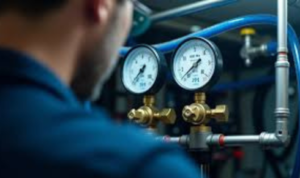
Determining whether to repair, reroute, or repipe requires professional expertise. Experienced technicians use specialized tools such as video pipe inspection cameras and pressure testing equipment to assess system condition accurately.
These assessments help identify underlying causes rather than just addressing symptoms.
Clear communication from professionals also plays a key role. Understanding available options and their long-term implications helps homeowners make informed decisions.
Preventive Maintenance for Long-Term Reliability
Regardless of the chosen solution, regular maintenance remains essential for preserving plumbing system health.
Routine inspections can detect early signs of corrosion, pressure imbalances, and minor leaks before they escalate.
Simple preventive practices include:
- Monitoring water pressure levels
- Addressing small leaks promptly
- Scheduling periodic system inspections
- Flushing water heaters to remove sediment
These measures help extend the lifespan of plumbing infrastructure.
A Final Thought: Listening When Your Home Speaks
Plumbing systems rarely fail without warning. They communicate through small changes — subtle signs that something beneath the surface needs attention.
Paying attention to these signals and seeking professional guidance early can prevent major disruptions later.
Because ultimately, deciding between repair and replacement isn’t just about pipes.
It’s about protecting the stability, comfort, and peace of mind that make a house truly feel like home — ensuring that the systems supporting daily life remain dependable for years to come.