Home renovation is often framed as a checklist. Upgrade the cabinets. Replace the tiles. Change the fixtures. Increase resale value. And yes, those things matter. But if you’ve ever lived through a remodel — the dust, the decisions, the endless samples — you know it’s rarely just about surfaces.
It’s about how you want to live.
The spaces we use every single day shape our routines more than we realize. The kitchen dictates how we gather. The bathroom sets the tone for our mornings. The living areas hold everything from quiet evenings to loud celebrations. When we renovate thoughtfully, we’re not just changing rooms. We’re reshaping daily life.
The Heart of the Home: More Than Cabinets and Countertops
Ask most homeowners where they spend the most time, and the answer is predictable: the kitchen. It’s not just where meals happen. It’s where conversations spill over, where homework gets done, where guests inevitably gather even when you planned to entertain elsewhere.
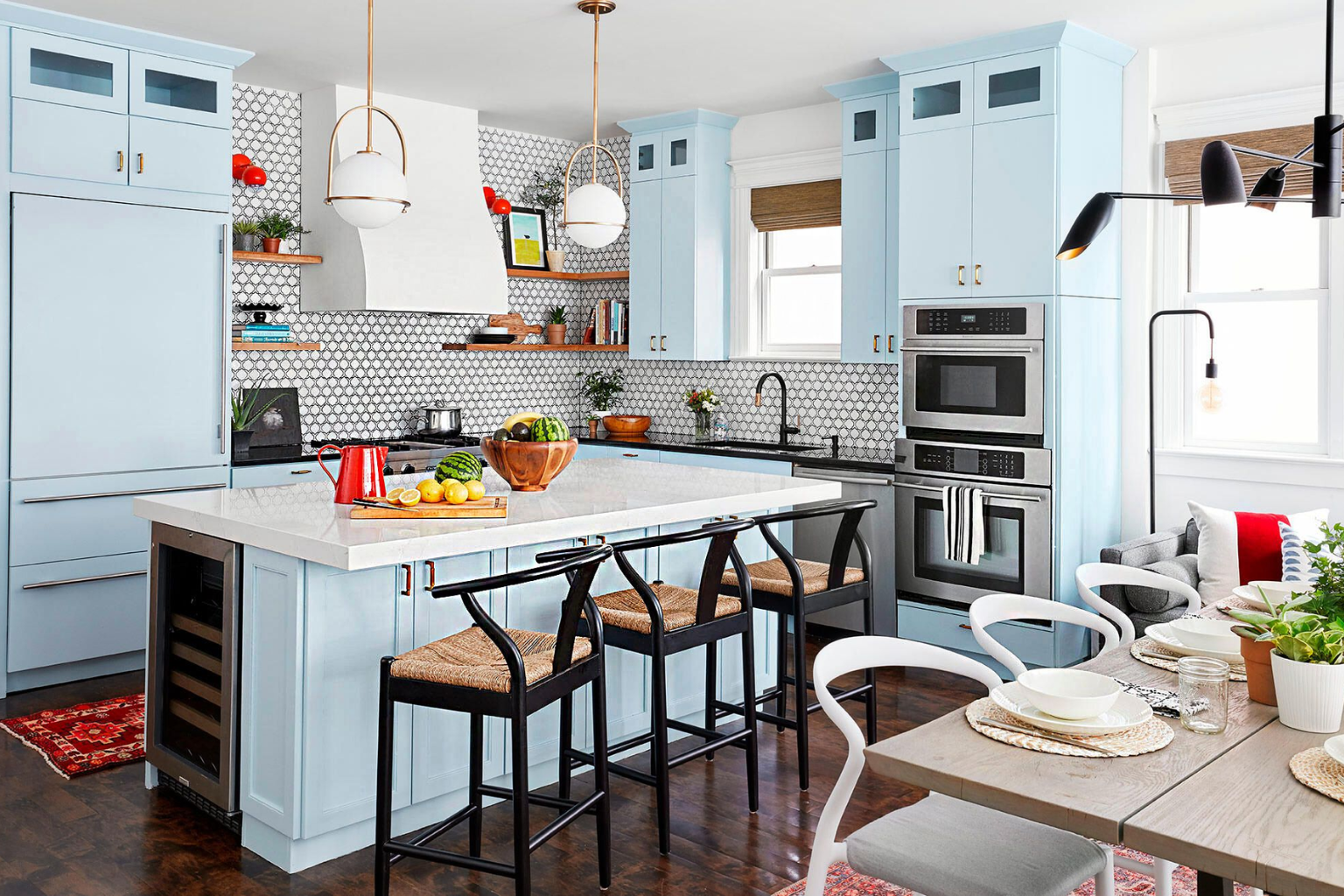
Thoughtful kitchen transformations go far beyond swapping outdated finishes. They address flow, function, and feeling. Is there enough counter space to cook without frustration? Can multiple people move around without bumping into each other? Does the lighting shift comfortably from bright morning prep to softer evening dinners?
Small layout adjustments can dramatically change the experience. Moving an island slightly. Adding deeper drawers instead of hard-to-reach cabinets. Introducing layered lighting — task lights under cabinets, pendants over seating.
And then there’s texture. Wood tones to warm up a modern space. Matte finishes to soften glare. Open shelving for personality, but not so much that clutter becomes the focal point.
When a kitchen works well, it feels effortless. And that effortlessness shows up in everyday moments.
Bathrooms: Quiet Spaces That Deserve Attention
Bathrooms are often treated as purely functional. Efficient. Compact. Easy to clean. But think about it — this is where your day begins and ends.
Smart bathroom redesigns consider mood as much as plumbing. Soft lighting for early mornings. Storage that hides chaos. Materials that feel good underfoot. Even the placement of mirrors influences how the room feels.
A well-designed bathroom doesn’t have to be large to feel luxurious. In fact, smaller spaces often benefit most from intentional choices. Wall-mounted vanities create visual lightness. Larger tiles reduce grout lines and make the room feel less busy. Warm metal finishes add subtle character without overwhelming the space.
And ventilation — often overlooked — plays a huge role in long-term comfort. A bathroom that feels fresh and bright sets a positive tone for the rest of the day.
It’s a small room with a surprisingly big impact.
Designing for the Way You Actually Live
Beyond kitchens and bathrooms, there’s a growing shift toward designing spaces that reflect lifestyle, not just tradition.
Open-plan living areas, cozy reading nooks, home offices tucked into unexpected corners — these are the modern lifestyle spaces that support how we really move through our days.
Maybe that means carving out a quiet corner with a comfortable chair and good lighting. Maybe it’s integrating built-in storage to reduce clutter in a family room. Or creating flexible zones that adapt from work mode to relaxation without major rearranging.
Homes today do more than they used to. They’re offices, gyms, gathering spots, and sanctuaries all at once. Renovation should acknowledge that complexity.
The most successful updates don’t just follow trends. They respond to habits.
Flow Is Everything
One of the most overlooked elements in renovation is flow. How rooms connect. How people move from one space to another. Whether transitions feel natural or forced.
Opening up walls can create visual connection, but it’s not always necessary. Sometimes, redefining entryways or adjusting furniture placement achieves the same goal without major structural changes.
Think about sightlines. What do you see when you walk into a room? Is there a focal point? Does natural light travel freely?
A renovation that improves flow often feels bigger, even if the square footage hasn’t changed.
Materials That Age Well
Trends come and go — we’ve all seen it. The once-popular tile that suddenly feels dated. The color that dominated a decade.
While it’s tempting to chase what’s current, it’s worth considering longevity. Neutral foundations with room for evolving accents often age more gracefully. Natural materials — wood, stone, linen — tend to maintain relevance.
That doesn’t mean playing it safe. It means choosing bold elements thoughtfully. A statement backsplash can shine without overwhelming. A unique fixture can stand out without defining the entire room.
Renovation is an investment. It should feel right not just today, but years from now.
The Emotional Layer
There’s a deeper reason people renovate. It’s rarely just practicality.
Sometimes it’s about marking a new chapter — a growing family, a career shift, a fresh start. Sometimes it’s about reclaiming comfort after years of living with something that never quite worked.
When you walk into a renovated space and feel relief, that’s not coincidence. That’s alignment.
A home that supports your routine, reflects your personality, and reduces daily friction quietly improves quality of life.
Renovation as Reflection
At its best, renovation isn’t about comparison. It’s not about copying what you saw in a magazine. It’s about clarity.
Clarity about how you want mornings to feel. About how you gather with friends. About what comforts you after a long day.