You probably don’t think about your water much — not until something tastes off, smells weird, or leaves a chalky residue on your freshly cleaned glassware. We’re so used to water being just… there. Running from the tap. Filling our kettles. Pouring into our showers. But here’s the truth: not all water is created equal, and the quality of water running through your home can make a bigger difference than you might think.
Let’s have a heart-to-heart about what’s really flowing through your pipes and why upgrading your water game might be one of the smartest, most underrated moves you’ll make this year.
Water You Can Actually Taste (In a Good Way)
Ever taken a sip straight from the faucet and scrunched your face because something just wasn’t right? Maybe it’s a metallic twang or a faint chlorine aftertaste. Municipal water goes through treatment, yes — but that doesn’t mean it’s perfect by the time it reaches your glass.
Mineral deposits, sediment, and even residual disinfectants can dull the flavor of your water. That’s why so many folks switch to bottled water — which is expensive, wasteful, and kind of a pain to lug around.
But with even a basic home filtration setup, you can enjoy better-tasting water every single day. It’s the kind of difference you notice in your morning coffee, your cooking, and even when you’re just trying to stay hydrated.
Honestly? Your taste buds will thank you.
A Sneaky Villain: Hard Water and Its Quiet Damage
Here’s a sneaky little household villain that doesn’t get nearly enough press — hard water. That’s water packed with minerals like calcium and magnesium, which sound harmless (and are, in the right context), but in excess, they can cause chaos in your plumbing and appliances.
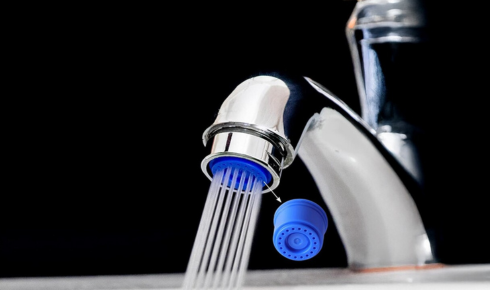
If your showerhead gets crusty, your kettle fills with limescale, or your laundry feels stiff and dull, chances are, hard water is to blame. Over time, mineral buildup narrows pipe openings and clogs things up from the inside. It’s like giving your house a mild case of arteriosclerosis.
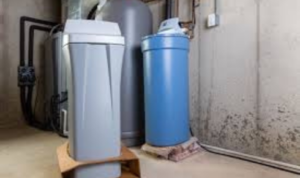
Installing a water softener or a whole-home filtration system can dramatically extend the life of your pipes and gear. You’re not just investing in water — you’re investing to protect plumbing and appliances that cost a heck of a lot more to repair or replace.
Showers Should Be Refreshing — Not Risky
If you’ve ever stepped out of the shower and felt like your skin was tight or itchy, it’s not just your imagination. Poor water quality — especially with higher chlorine or contaminant levels — can irritate skin, dry out your scalp, and exacerbate conditions like eczema.
Think about this: your skin is your largest organ, and it absorbs what it comes in contact with. When you bathe, you’re not just getting wet; you’re being exposed to everything in that water. Clean, filtered water isn’t just a luxury — it’s a small, consistent way to take better care of yourself and your family.
Cleaner water means safer showers, and honestly, that’s not something we should have to compromise on in our own homes.
The Hidden Cost of “Just Dealing With It”
A lot of people just… deal with subpar water. They scrub their tubs more often. Replace appliances sooner than they should. Buy case after case of bottled water. It’s one of those “death by a thousand cuts” situations — lots of little expenses that add up to a big bill over time.
When you filter and treat your water properly, you’re cutting off those problems at the source. You spend a little upfront, sure, but you save more in the long run — not to mention you reduce your stress and simplify your routines.
Imagine fewer stains on your sinks. No more guessing whether your tap water is safe to drink. Less wear on your dishwasher and washing machine. That’s peace of mind you can feel in your daily life.
What Kind of System Do You Actually Need?
Here’s where things get real: not every home needs the same water solution. The ideal setup for your place depends on your water source (municipal vs. well), the contaminants in your area, your family size, and your budget.
Some folks get by with a simple faucet filter or under-sink unit. Others benefit from a whole-home filtration system that handles everything from drinking water to laundry and bathing. Water softeners are great if hard water is your main culprit, while reverse osmosis systems target a wide range of contaminants.
The key is testing. Get your water checked. Once you know what’s in it, the path forward becomes clear — and surprisingly doable.
Personal Story: A Small Upgrade That Changed the Game
I’ll level with you. I used to ignore my water quality too. My dishes came out foggy from the dishwasher, my skin was always dry, and the water never really tasted right. But I figured, “It’s fine. It’s just water.”
Then I stayed at a friend’s house who had a full filtration setup. The difference? Night and day. I could feel it. And within a month of installing a similar system in my own place, the results were impossible to ignore — shinier dishes, softer towels, better showers, and yes, water that actually tasted clean.
It was like I unlocked a whole new level of home comfort I didn’t know I was missing.
Let’s Wrap It Up (But Not Too Neatly)
Clean water isn’t just about staying hydrated. It’s about comfort. Health. Protecting your investments. Simplifying your life. And most of all, it’s about having one less thing to worry about in a world already full of little daily stresses.
You don’t need to go all out with some space-age system right away. But maybe — just maybe — it’s time to stop settling for “just okay” water. You deserve better. Your family deserves better. And your home? Definitely deserves better.
Start small. Get your water tested. Do a little research. Ask around. But whatever you do, don’t keep ignoring the quality of the stuff you use every single day.
Because when your water gets better, everything else tends to follow.