Water doesn’t usually get applause in a business environment. It’s not the product on display. It’s not the logo on the wall. But walk through a manufacturing plant, a food processing facility, or even a mid-sized office building, and you’ll realize something quickly: nothing runs without it.
Water cools machines, rinses ingredients, powers boilers, cleans surfaces, and flows through countless processes most customers never see. And when it’s not properly treated? The problems can stack up fast — inefficiency, equipment damage, compliance headaches, even product inconsistencies.
That’s why more businesses are stepping back and rethinking how they manage water at scale.
When Tap Water Isn’t Enough
Municipal water is designed for general consumption. It’s treated to be safe for households, but commercial and industrial operations often have higher, more specific standards. Trace minerals, dissolved solids, and chemical residues that are harmless at home can cause significant issues in commercial equipment.
In sectors like food production, pharmaceuticals, or electronics manufacturing, water purity directly affects product quality. Even in hospitality, subtle taste variations can change how customers perceive beverages.
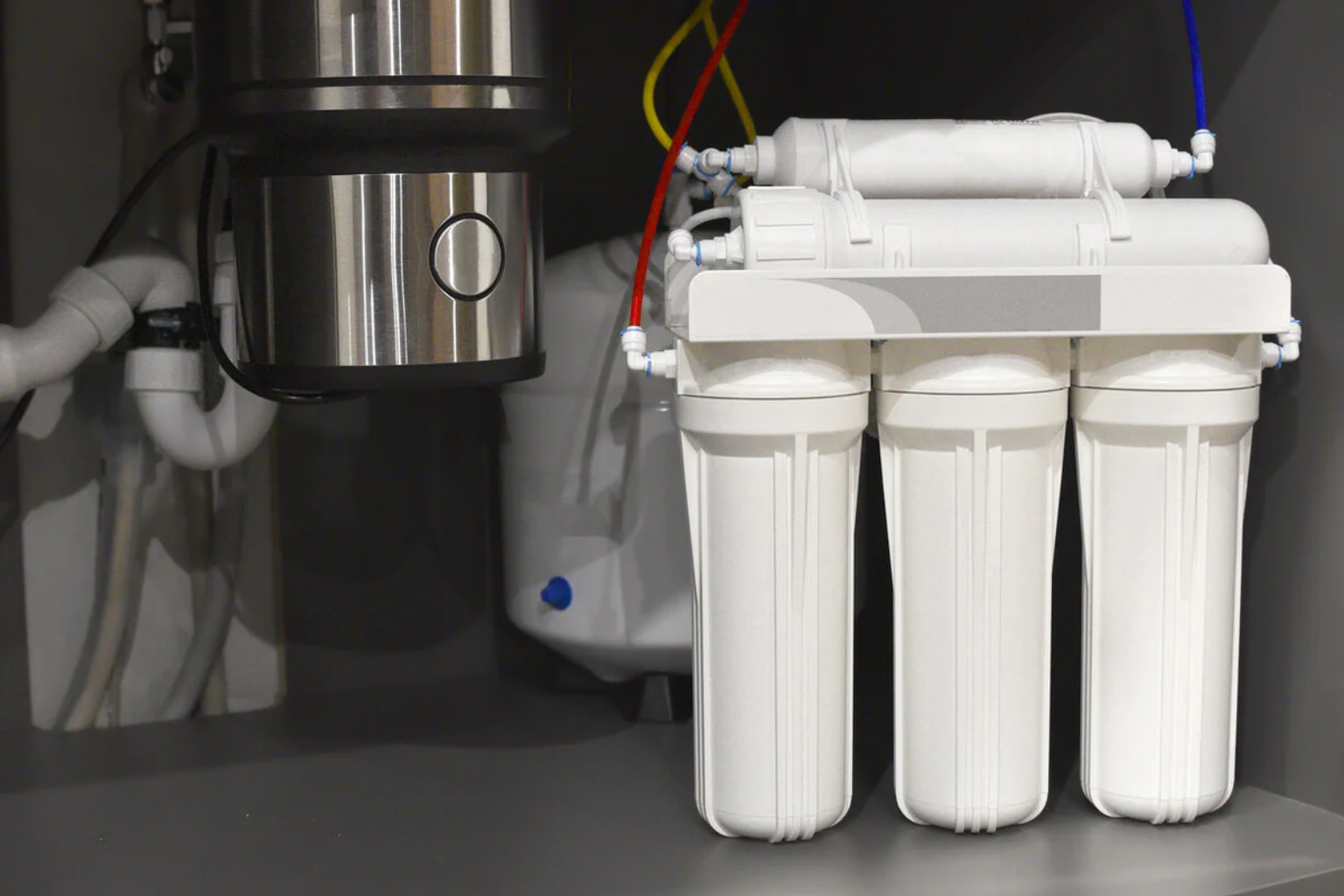
This is where commercial ro systems enter the picture. Reverse osmosis technology uses semi-permeable membranes to remove dissolved solids, heavy metals, and various contaminants from water. At a commercial scale, these systems are engineered to handle high volumes without sacrificing performance.
They don’t just filter water — they refine it to meet operational demands.
The Role of Industrial Filtration
Reverse osmosis is powerful, but it’s often just one piece of a broader strategy. Many facilities rely on layered industrial filtration to address different challenges at different stages.
Pre-filters might remove sediment and larger particles. Carbon filters can reduce chlorine and organic compounds. Specialized membranes tackle dissolved solids. In certain industries, UV treatment or chemical dosing adds another layer of protection.
It’s a bit like building a defense system. Each stage serves a purpose. Together, they create water that’s suitable for highly specific applications.
For example, in a cooling tower system, untreated water can lead to scaling and corrosion that reduce efficiency and increase energy costs. In food processing, contaminants can compromise safety standards. Filtration isn’t optional — it’s operational insurance.
Customization Over Convenience
One of the biggest mistakes businesses make is assuming a one-size-fits-all approach will work. Water chemistry varies by region, and industry requirements vary even more.
That’s why tailored water systems have become the norm in serious commercial operations. Instead of installing a generic setup, companies conduct thorough water testing and design systems based on precise needs.
A brewery, for instance, may require specific mineral profiles to maintain flavor consistency. A medical laboratory might demand ultra-pure water for sensitive testing. A textile factory may focus on preventing mineral buildup in dyeing processes.
Customization ensures efficiency. It also avoids over-engineering, which can waste both money and energy.
Protecting Equipment and Productivity
Scale buildup, corrosion, and sediment don’t just affect water quality — they affect machinery lifespan. Boilers clogged with mineral deposits work harder, consuming more energy. Pipes coated in scale reduce flow and increase pressure strain.
Proper water treatment minimizes those risks. Equipment runs smoother. Maintenance schedules become predictable rather than reactive. Downtime decreases.
In high-output environments, even a few hours of unexpected shutdown can translate into significant revenue loss. Viewed from that angle, investing in advanced water systems isn’t just about quality — it’s about continuity.
Compliance and Reputation
Regulatory compliance is another factor businesses can’t ignore. Industries like food production, healthcare, and pharmaceuticals operate under strict guidelines for water purity.
Failing to meet those standards can result in fines, recalls, or reputational damage that’s difficult to repair.
Advanced filtration and reverse osmosis systems help companies stay ahead of compliance requirements. They provide documentation, monitoring, and consistency that regulators expect.
And beyond regulations, there’s customer trust. Clean water contributes to consistent product quality. Customers may never see the filtration system, but they’ll notice if something tastes off or a product fails prematurely.
Sustainability Considerations
Water treatment has evolved alongside sustainability goals. Modern systems are designed to optimize efficiency, reduce waste, and lower energy consumption.
Older RO systems were sometimes criticized for wastewater output. Newer commercial designs incorporate recovery systems that significantly improve efficiency, reducing environmental impact.
For businesses committed to greener operations, responsible water management aligns naturally with broader sustainability strategies.
Lower chemical usage. Reduced energy waste. Longer equipment lifespans. It’s a chain reaction of positive outcomes.
The Financial Perspective
There’s no denying that installing advanced commercial water systems requires investment. Equipment, installation, ongoing maintenance — it’s not insignificant.
But compare that to the cost of equipment failure, production delays, product inconsistencies, or regulatory penalties. The long-term savings often outweigh the initial expense.
Think of it less as an optional upgrade and more as infrastructure — like electrical systems or HVAC. Essential, even if invisible.
A Foundation Most People Never See
One of the interesting things about water systems is how little attention they receive when functioning properly. They hum quietly in the background, doing their job without fanfare.
Employees don’t think about them. Customers rarely consider them. But their impact is everywhere — in smooth operations, consistent products, and efficient machinery.
Water may not be the star of the show, but it’s certainly part of the stage.
If your business relies on water — and most do — taking a closer look at quality, capacity, and filtration strategy isn’t just smart. It’s foundational.
In the end, advanced water systems aren’t about complexity for the sake of it. They’re about precision. Reliability. Confidence.
And in any commercial or industrial setting, those qualities matter more than most people realize.