There’s a particular kind of frustration that comes with a misbehaving air conditioner. It never seems to break down on a mild spring afternoon. No — it waits for the hottest week of the year. The house feels stuffy, the air turns heavy, and suddenly every little noise the unit makes feels suspicious.
I’ve learned over the years that most cooling problems aren’t random disasters. They’re usually quiet issues that have been building up for weeks, sometimes months. And if you catch them early, you can save yourself money, stress, and that uncomfortable night of tossing and turning in a humid bedroom.
Let’s talk about what’s really going on when your AC isn’t performing the way it should.
The Subtle Signs You Shouldn’t Ignore
Air conditioners rarely fail without warning. They whisper before they scream.
Maybe your home takes longer to cool. Maybe the airflow feels weak in certain rooms. Or perhaps your energy bill creeps up even though your habits haven’t changed. These are signals — not coincidences.
A system running longer than usual might be compensating for a hidden issue. A strange hissing sound could point to something more technical. And uneven cooling? That’s often your system trying its best with a limitation you can’t see.
Instead of waiting for a total shutdown, paying attention early is always the smarter move.
When the Problem Is a Refrigerant Leak
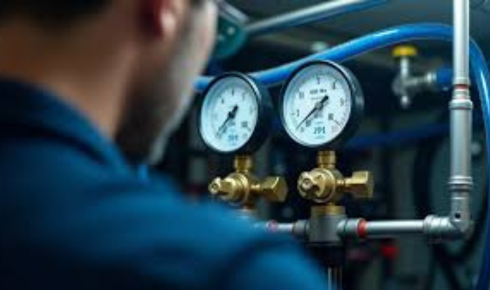
One of the most common issues behind poor cooling performance is low refrigerant. Contrary to popular belief, refrigerant doesn’t get “used up.” If levels are low, there’s usually a leak somewhere in the system.
You might notice warm air blowing from the vents, ice forming on the evaporator coil, or a faint bubbling sound. These are classic signs that something’s off.
This is where professional refrigerant leak repair becomes essential. It’s not just about refilling the system. A qualified technician will locate the leak, seal it properly, and then recharge the unit to the correct levels. Simply topping it off without fixing the source is like putting air in a tire that has a nail in it — temporary at best.
And here’s the part many homeowners don’t realize: running an AC with low refrigerant strains the compressor. What starts as a minor leak can snowball into a major mechanical failure if ignored.
The Thermostat Isn’t Always Right
It sounds simple, but sometimes the problem isn’t in the unit outside. It’s hanging quietly on your wall.
If your home feels warmer or cooler than the thermostat reading suggests, or if the system cycles on and off too frequently, you might need thermostat calibration. Over time, thermostats can lose accuracy. Even a difference of a few degrees can cause inefficient operation and inconsistent comfort.
Older manual thermostats are particularly prone to drift. But even digital ones can be affected by placement — direct sunlight, nearby appliances, or drafts can throw off readings.
A quick professional calibration ensures that your system responds to the real temperature in your home, not a distorted one. It’s a small adjustment that can make a noticeable difference in comfort and efficiency.
When the Compressor Needs Attention
The compressor is essentially the heart of your air conditioning system. It circulates refrigerant and keeps the cooling cycle moving. When it struggles, the entire system struggles.
Signs of compressor trouble can include loud clanking or rattling noises, difficulty starting, or warm air despite the unit running continuously. Sometimes, the outdoor unit hums but doesn’t actually cool.
In these cases, compressor repair may be necessary. Depending on the severity, it could involve replacing electrical components, addressing overheating issues, or in more serious cases, replacing the compressor itself.
It’s not a small job — but it’s often far less expensive than replacing the entire system. Early diagnosis is key. The longer a faulty compressor runs, the more strain it places on other components.
Why Small Maintenance Matters More Than You Think
People tend to think of AC repair as something dramatic. A breakdown. An emergency call. But most cooling systems just need consistent attention.
Changing air filters regularly, cleaning coils, checking electrical connections, and scheduling seasonal inspections can prevent many common failures. It’s like maintaining a car. You wouldn’t skip oil changes and expect smooth performance forever.
Routine servicing helps identify minor issues before they become expensive repairs. A technician might catch a weak capacitor, a minor refrigerant imbalance, or an airflow obstruction long before it causes serious damage.
And yes, it also keeps your energy bills in check. An efficient system doesn’t have to work as hard to keep your home comfortable.
Energy Efficiency and Long-Term Savings
When your air conditioner operates properly, it doesn’t just cool better — it consumes less energy doing it. That translates into measurable savings over time.
Leaks, miscalibrated thermostats, and struggling compressors all force your system to run longer cycles. That extra runtime equals higher electricity costs. Over a full summer season, those costs add up quickly.
Repairing issues promptly keeps the system balanced. It maintains proper airflow, consistent cooling, and optimal pressure levels. That harmony is what efficient performance looks like.
It’s not glamorous, but it works.
Knowing When to Call a Professional
There’s nothing wrong with checking your air filter or making sure vents aren’t blocked. But when it comes to refrigerant levels, electrical components, or internal mechanical parts, professional expertise matters.
Air conditioning systems are complex. Handling refrigerant requires certification. Diagnosing compressor issues demands experience. Even thermostat problems can involve wiring complications.
Trying to “DIY” certain repairs can void warranties or worsen the damage. A trusted HVAC technician brings tools, training, and diagnostic equipment that homeowners simply don’t have.
And sometimes, just having clarity about what’s wrong brings peace of mind.
The Comfort of a System That Works
At the end of the day, air conditioning isn’t about machinery — it’s about comfort. It’s about walking into your home after a long day and feeling that immediate relief. It’s about sleeping well at night. It’s about not worrying when temperatures spike.
Addressing small problems early — whether it’s a leak, a misreading thermostat, or a stressed compressor — keeps your system reliable when you need it most.
Cooling systems are built to last, but they aren’t built to be ignored. A little attention, a bit of professional care, and some timely repairs can extend their lifespan significantly.
And honestly? There’s something reassuring about knowing your home will stay cool, steady, and dependable — no matter how intense the heat outside becomes.