We tend to take water for granted—just turn the tap and there it is, clear and ready. It’s a small modern miracle. But when things start to look or taste a little off, it’s easy to shrug and hope it’s just a one-time thing. Maybe that glass of water had a bit of a strange flavor. Or you noticed some orangey smudges in the bathtub that weren’t there before. Minor things, right? Maybe. Or maybe your water is trying to tell you something—and it’s time to listen.
The Rust-Colored Clues Around Your Fixtures
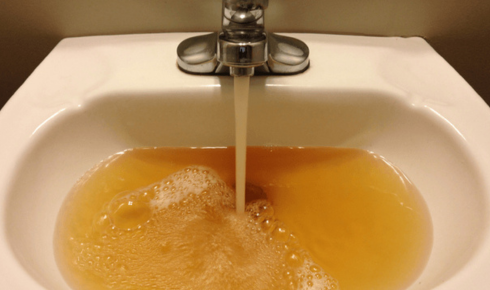
Let’s start with a common, yet often ignored issue: rusty water stains. If you’ve ever noticed reddish-brown rings in your sink, toilet, or around the bathtub drain, you’re seeing more than just a cosmetic nuisance. These stains are usually the result of iron in your water supply. That iron oxidizes (read: rusts), and over time it starts to leave its signature behind on your porcelain.
But it’s not just about appearance. Iron-rich water can damage appliances, clog filters, and even mess with your laundry. Whites turn yellow. Pipes corrode faster. And if you’re unlucky enough to be dealing with iron bacteria, things can get slimy and smelly, too.
That Odd Sip You Can’t Quite Explain
Now, let’s talk taste. Ever taken a sip from your tap and instantly wrinkled your nose because something wasn’t quite right? A sort of metallic edge, or maybe it tasted like a swimming pool? That’s what we call unusual taste water, and it’s your mouth’s way of sending up a red flag.
The taste of your tap water can be affected by chlorine, algae blooms, sulfates, even the pipes themselves—especially older plumbing. While not all odd tastes mean your water is unsafe, it does mean there’s something in it that probably shouldn’t be there in that quantity. And over time, even non-toxic impurities can cause problems if left unaddressed.
If your water suddenly starts tasting strange, don’t ignore it. Trust your senses. They’re doing their job.
When Grit Shows Up Where It Shouldn’t
Another telltale sign that your water isn’t in its best shape is when you find tiny particles at the bottom of your glass or sediment building up in your kettle. Sediment in water isn’t just annoying—it can signal serious issues with your water supply or plumbing system.
Sediment often comes from aging pipes, corroded well casings, or disturbances in the main water line. In rural areas, it might mean your well needs maintenance. In urban areas, it could point to neglected infrastructure. And besides being gross, that grit can wear down your appliances and reduce the efficiency of your water heater, not to mention clog aerators and showerheads over time.
Regular flushing, filtration systems, and even simple mesh screens can help, but it’s wise to get your system checked if sediment becomes frequent.
Why These “Minor” Issues Actually Matter
It’s tempting to think these are just little annoyances—not worth the time or cost to fix. But when it comes to water, the small things have a way of becoming big problems. Rust stains can lead to pipe damage. Strange tastes may be masking deeper chemical issues. And sediment might be the early warning sign of major infrastructure breakdowns.
More than anything, these signs erode trust. Water is the foundation of so much in our daily lives—our hygiene, our health, our homes. When that foundation starts to feel shaky, it creates stress, even if it’s mostly subconscious. Clean water should feel clean—not like a gamble.
What You Can Do Today
If you’re seeing or sensing any of the issues above, take it seriously. You don’t have to panic, but you also shouldn’t ignore them.
Here are a few practical steps:
- Get your water tested – Local water reports are a good start, but home testing kits or professional lab analysis give you a clearer picture.
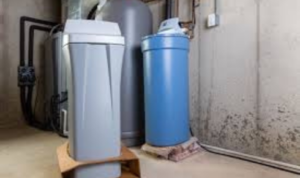
- Install a filtration system – Depending on the issue, a point-of-use filter or whole-home system might be the solution.
- Flush your pipes – Especially in older homes, periodic flushing can reduce build-up and remove minor sediment.
- Monitor changes over time – If the taste changes suddenly or stains become more frequent, don’t wait until things escalate.
Sometimes, these fixes are easy. Other times, you might need a plumber or a water treatment professional. But either way, action beats avoidance.
A Clearer Glass, A Clearer Mind
In the end, your water should be a source of comfort, not concern. The rusty water stains on your sink, the unusual taste water from your faucet, or the sediment in water that collects at the bottom of your glass—these are signs. Not always urgent ones, but they’re real.
The good news? Most of these issues can be solved. Often with less time, money, or hassle than people expect. But the first step is always noticing. The second is deciding it’s worth addressing.