Let’s be real for a second—clean water isn’t a luxury. It’s a necessity. And yet, many people around the world don’t have easy access to it. Even in modern homes, especially in rural or off-grid areas, folks are beginning to think twice about what’s really coming out of their taps. That’s where the humble yet powerful idea of a homemade water filter comes in. And no, it doesn’t require a chemistry degree or a fancy gadget from some infomercial. Just a bit of know-how, some patience, and stuff you might already have at home.
Why Bother Making Your Own Water Filter?
Okay, let’s not pretend like a DIY filter is going to outperform a state-of-the-art reverse osmosis system. But it can be the difference between drinking muddy water and sipping something relatively cleaner in an emergency, on a camping trip, or even as a backup system at home. It’s also pretty darn satisfying to take raw, questionable water and clean it up with your own two hands.
Besides, when things go south—power outage, busted plumbing, or just a hike that turned into an overnight stay—you’ll be glad you know how to throw one together.
The Basics: What’s in a Homemade Filter Anyway?
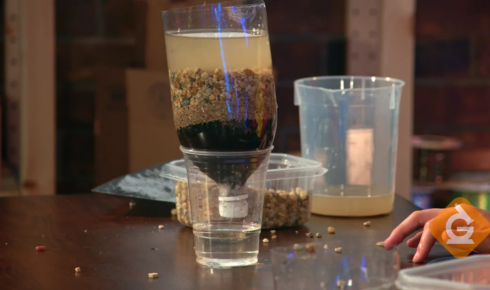
The typical homeade water filter (yes, typos happen and that’s okay—just like in real life) is a layered setup. Think of it like a lasagna made of natural materials: each layer catches a different kind of dirt or impurity. Here’s a simple breakdown:
- Gravel or small rocks: First line of defense. Filters out large debris—twigs, leaves, and bugs.
- Sand: Think of this as your medium filter. Catches finer particles like dirt and silt.
- Charcoal (activated if possible): The magic ingredient. This stuff traps chemicals, bacteria, and funky smells.
- Cloth or coffee filter: Prevents any of those layers from falling into your final container.
All of this usually goes into a plastic bottle or a large PVC pipe cut in half, top inverted into the bottom to create a funnel.
No tech wizardry required.
But Seriously, How Does a Homemade Water Filter Work?
The science is beautifully simple. Gravity pulls the water down through the layers, and each material plays its role like a well-rehearsed band. The gravel catches the big stuff. Sand grabs what the gravel missed. Then comes the charcoal—this is where things get interesting.
Charcoal has a huge surface area (like, tiny nooks and crannies galore) which means it can trap impurities through a process called adsorption. Not absorption—adsorption. It’s when molecules stick to the surface of the charcoal, kind of like how a lint roller grabs dust. This is crucial when explaining how does a homemade water filter work. The filter doesn’t magically “clean” water. It physically traps the bad stuff. Some basic filters can even reduce chlorine or minor heavy metals, depending on what you’re using.
Of course, if you want to kill bacteria or viruses, you still need to boil the water after filtering or use purification tablets. Let’s not kid ourselves into thinking a bottle of sand will save you from E. coli.
When and Where Would You Use One?
- Camping or trekking: You’re near a river, and you’ve run out of bottled water. Hello, DIY filter.
- Emergency prep: If you’re into being ready for anything (and you probably should be), it’s smart to have these materials and know-how handy.
- Science project: Kids love building these. It’s a tactile way to learn about filtration and water cycles.
- Budget-conscious households: Some people genuinely use these as their daily solution where industrial filters aren’t affordable.
In any case, it’s a practical skill. Like tying a knot or changing a flat tire. Underappreciated… until it saves your day.
Tips From People Who’ve Actually Tried This
There’s something raw and earthy about reading DIY forums or watching YouTubers build filters from scratch. One thing they all seem to agree on?
- Use activated charcoal if you can – It’s a game changer. Regular charcoal works, but it’s less effective.
- Change your materials regularly – Filters get clogged and nasty. Don’t treat them like a one-and-done fix.
- Test before trusting – If your water smells weird or still looks cloudy after filtering… don’t drink it.
- Boil when in doubt – Seriously. Filtration helps, but boiling ensures bacteria is dead.
The best homemade systems don’t try to do everything at once. They’re part of a bigger water-safety routine.
Don’t Overthink It—Just Try It
It’s easy to get overwhelmed with how much information is out there. DIY websites, survival blogs, “preppers” talking about water storage like it’s a religion. But honestly, making a homemade water filter can be simple. It can also be fun. Grab an empty soda bottle, cut it, add your layers, pour in some dirty water (even from a muddy puddle), and just see the difference.
It won’t be crystal-clear Evian. But it will remind you how clever nature is—and how resourceful you can be when you need to be.
One Last Thought
We live in a world where we take so many basics for granted. Water, especially. But building a homeade water filter is a small, empowering act. It says, “I’ve got this.” Whether you’re prepping for a camping trip, building a science fair project, or just getting curious about how filtration works, it’s a skill worth knowing.
You don’t have to be a wilderness expert or a survivalist to appreciate that kind of self-reliance. It starts with a bottle, some sand, a bit of charcoal—and a little curiosity. Who knows, you might even impress yourself.
And at the very least, the next time someone asks about water filters, you’ll have a pretty cool story to tell.