Water is one of those everyday essentials we rarely think about until something changes. Maybe the tap water suddenly tastes different. Perhaps there’s a faint chlorine smell, mineral residue in the kettle, or a glass of water that just doesn’t taste as refreshing as it should.
For many homeowners, that leads to a simple question: is there a better way to manage the water we drink?
Fortunately, there are several options. From simple countertop filters to sophisticated under-sink systems, modern drinking water systems can make it easier to address specific concerns. The important part is understanding what your water actually needs before choosing equipment.
Start With the Water You Have
It’s easy to assume that clear water is good water. Unfortunately, appearance doesn’t tell the whole story.
Water can contain dissolved minerals, sediment, chlorine, or other substances without looking unusual. Municipal water supplies are generally treated and monitored, while private well owners have more responsibility for testing and understanding their own supply.
A water test can provide useful information about characteristics such as hardness, pH, chlorine, iron, and other factors. More detailed testing may be appropriate when there is a specific concern.
The point isn’t to become obsessed with numbers. It’s simply to replace guesswork with information.
Why Water Quality Matters
Good water quality means more than pleasant taste. The characteristics of your water can influence cooking, beverages, household appliances, and everyday comfort.
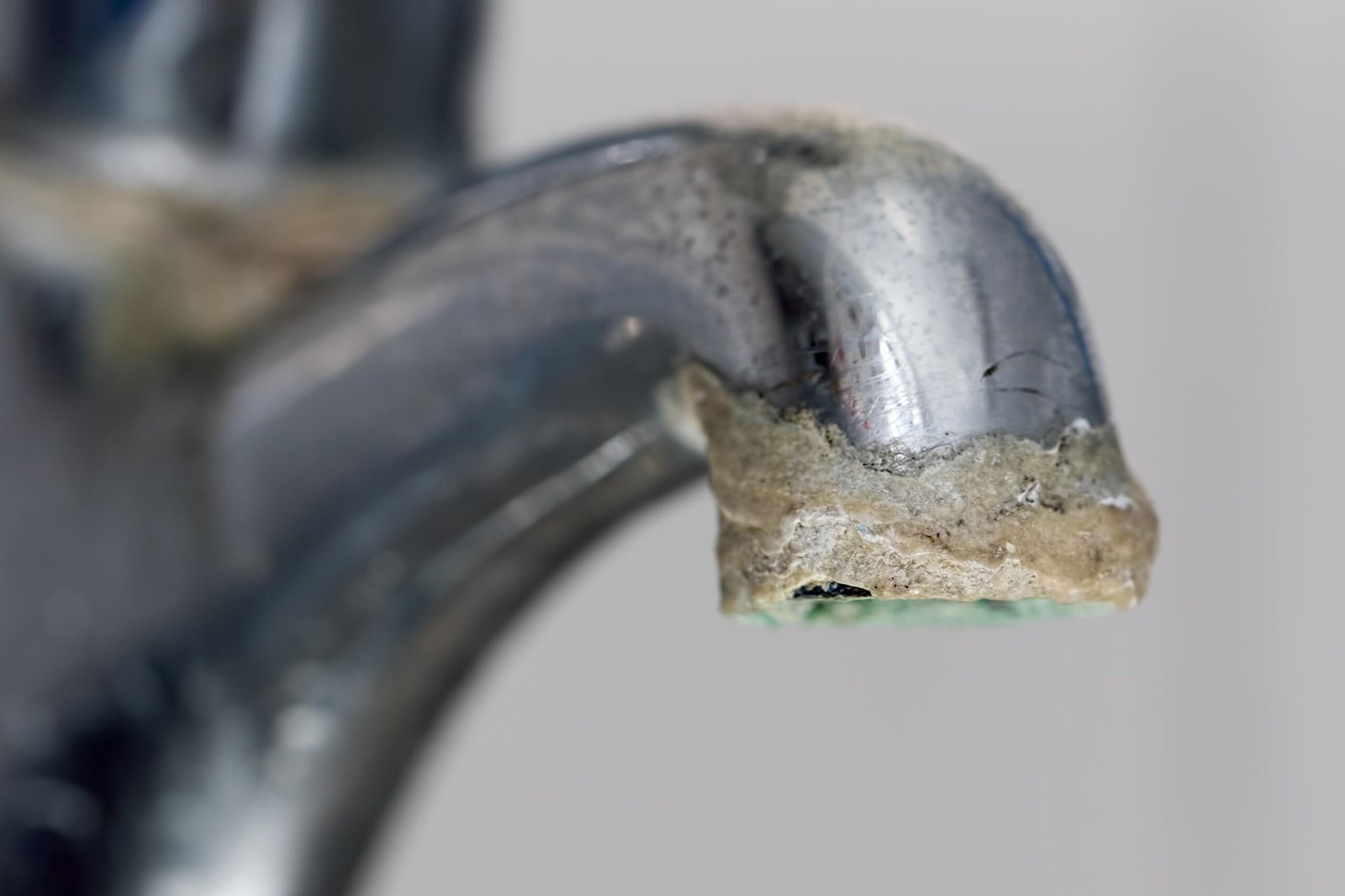
For example, hard water can leave mineral deposits on cookware and glassware. Chlorine may affect taste and odor. Sediment can create visible particles or affect filters.
If your water suddenly changes, that’s worth noticing. A new smell, unusual color, metallic taste, or cloudiness doesn’t necessarily mean something serious, but it does give you a reason to investigate.
For private wells, periodic testing is particularly important because groundwater conditions can change over time.
Choosing a System for Drinking Water
Once you understand the water, choosing a filtration method becomes much easier.
Activated carbon filters are commonly used to improve taste and reduce chlorine and certain organic compounds. Reverse osmosis systems use multiple filtration stages and a membrane to reduce a range of dissolved substances.
There are also UV systems designed for microbial treatment in appropriate applications, as well as specialized filters for particular contaminants.
The key is matching the technology to the concern.
A carbon filter isn’t a universal solution, and reverse osmosis isn’t necessary for every household. More treatment isn’t automatically better treatment.
Point-of-Use Filtration Makes Sense for Many Homes
One popular approach is installing a system directly beneath the kitchen sink.
This point-of-use arrangement focuses treatment on water used for drinking and cooking. It can be practical for homeowners who don’t need to treat every shower, toilet, washing machine, and outdoor faucet.
It also tends to use less filtered water than a whole-house system because treatment is concentrated where it matters most.
For renters or homeowners who want a relatively focused upgrade, under-sink filtration can be an appealing option.
When Whole-Home Treatment Makes More Sense
Sometimes the concern extends beyond drinking water.
If your water contains significant hardness, sediment, or an unpleasant odor, treating only the kitchen faucet won’t change what comes through the bathroom shower or washing machine.
That’s where whole-home treatment can be considered.
A whole-house system treats water as it enters the property, allowing treated water to flow through multiple fixtures. The appropriate system depends heavily on the water source and test results.
There’s no need to treat every gallon if the problem only affects drinking water. But if the entire home is affected, broader treatment may be worth considering.
Don’t Ignore the Plumbing
The water entering your home isn’t the only thing that influences what comes out of the tap.
Plumbing materials, aging pipes, storage tanks, and fixtures can all affect water quality under certain conditions. If you notice a difference between water from different faucets, that’s a useful clue.
You can try running the cold tap for a short period before drinking if water has been sitting in the pipes, but this isn’t a substitute for investigating persistent problems.
If you have an older property or a sudden change in water quality, professional advice may be appropriate.
Maintenance Is Part of the Package
One thing people sometimes forget when buying a filtration system is maintenance.
Filters don’t last forever. Depending on the type and water usage, they may need replacement every few months or at other intervals specified by the manufacturer. Reverse osmosis systems have multiple components that also require periodic replacement.
Ignoring maintenance can reduce filtration performance and may leave you with a system that looks impressive but isn’t operating as intended.
Keep a simple reminder on your phone. It’s an easy habit and saves you from trying to remember when the filter was last changed.
What About Water Treatment?
Home water treatment is a broad term that covers many different technologies and goals. It can include softening, filtration, purification, disinfection, and specialized treatment for particular contaminants.
That’s why homeowners should be cautious about products that promise to solve every water problem with one device.
Treatment should be based on testing and the intended use of the water. Drinking-water treatment has different requirements from treating water for laundry or protecting plumbing from hardness.
A good system should have a clear purpose.
Don’t Buy More Than You Need
It can be tempting to choose a system with the longest list of features. But more technology can mean more maintenance and higher costs.
Instead, focus on the problem you’re trying to solve.
If the water tastes strongly of chlorine, a suitable carbon filter may be enough. If dissolved substances are a concern, a different technology may be appropriate. If hardness is causing scale, you may need softening rather than drinking-water filtration.
Understanding the difference can save both money and frustration.
A Better Glass of Water Starts With Better Decisions
Choosing a drinking-water system doesn’t have to be complicated.
Test your water when appropriate. Identify the actual concern. Consider how much water your household uses and whether you need treatment at one faucet or throughout the home. Then compare systems based on performance, maintenance, cost, and suitability.
Don’t chase the most expensive option just because it sounds advanced. The best system is the one that addresses your specific needs and can be maintained properly.
At the end of the day, water treatment should make life easier, not add another complicated chore.
A cool glass of water from the kitchen tap should be something you enjoy without thinking twice. With the right information and a sensible approach to filtration, getting there can be surprisingly straightforward.