Choosing equipment for a water system can feel straightforward at first. You identify a problem, find a product that promises to solve it, and arrange the installation. But anyone who has managed a home, commercial property, farm, or industrial facility knows that the details matter. A filter that works beautifully in one setting may be unsuitable for another, and a pump that handles ordinary demand might struggle during peak usage.
The real challenge isn’t simply finding equipment. It’s finding equipment that fits the job, works with the existing system, and continues performing under everyday conditions. A little research at the beginning can prevent expensive mistakes later, whether you’re replacing a worn component or planning an entirely new installation.
Why Having the Right Product Choices Matters
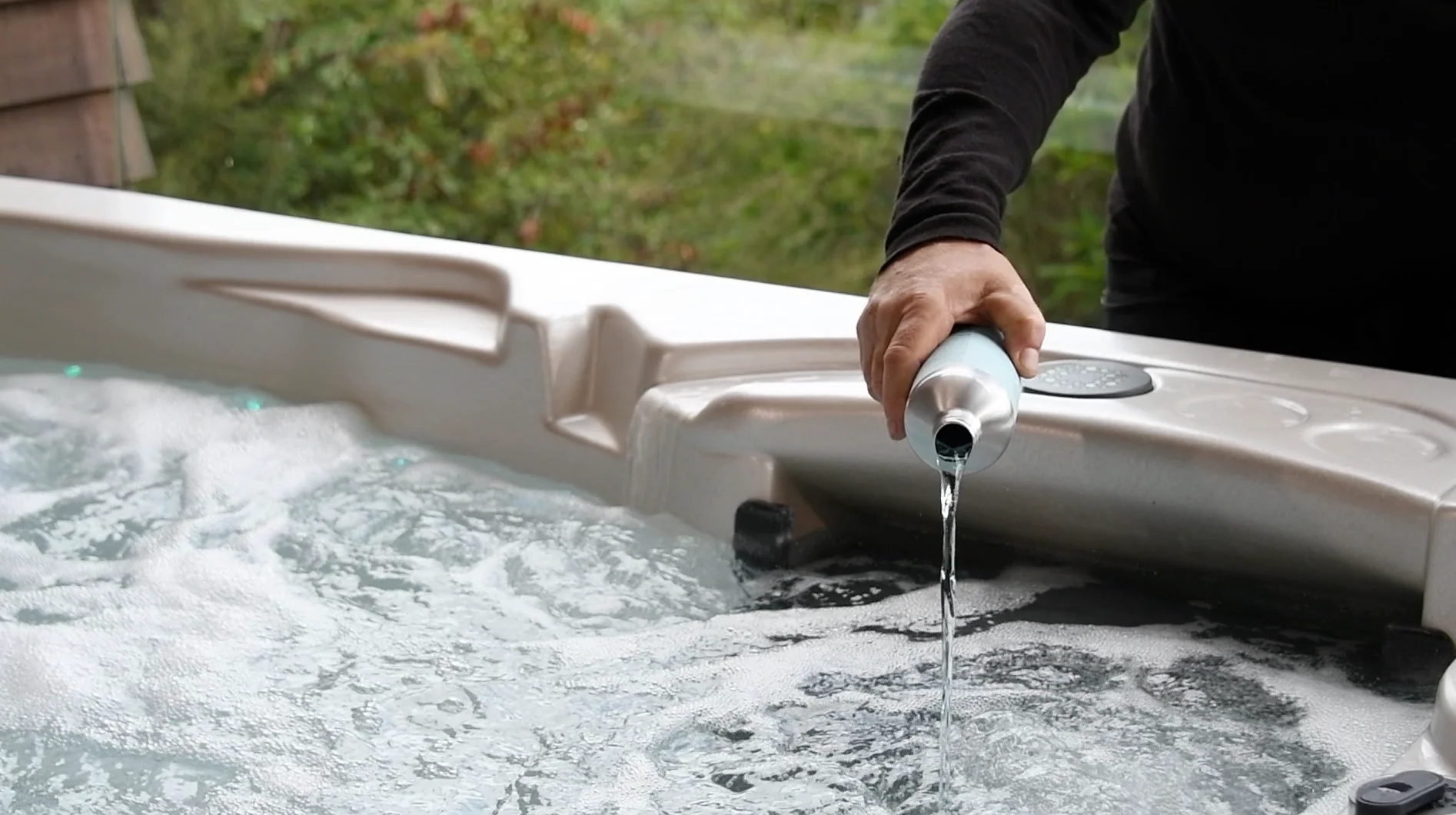
Water systems serve a surprising range of purposes. A household may need drinking water filtration, a softener to manage mineral buildup, and a dependable pump to maintain pressure. A business could require chemical dosing equipment, industrial filtration, storage tanks, or components designed for continuous operation.
Having an extensive product selection makes it easier to compare equipment according to the task rather than settling for whatever happens to be available. Different products can offer different flow capacities, connection sizes, construction materials, operating pressures, and maintenance requirements.
Still, a large catalogue isn’t valuable simply because it contains hundreds of items. The products need clear specifications, accurate descriptions, and enough technical information for buyers to make informed decisions. Without those details, comparing two seemingly similar units becomes unnecessarily difficult.
Start by identifying the system’s actual requirements. How much water needs to move through it? What pressure is available? Will the equipment handle drinking water, wastewater, irrigation water, or a chemical solution? Does it operate continuously or only at certain times of day?
These questions help narrow the options and make comparisons more meaningful. They also reduce the risk of buying equipment that looks suitable on paper but fails to perform once installed.
Organizing Equipment Around Its Intended Use
One of the easiest ways to make equipment selection less confusing is to consider the application first. Products are easier to compare when they’re grouped according to the problem they solve and the environment in which they’ll operate.
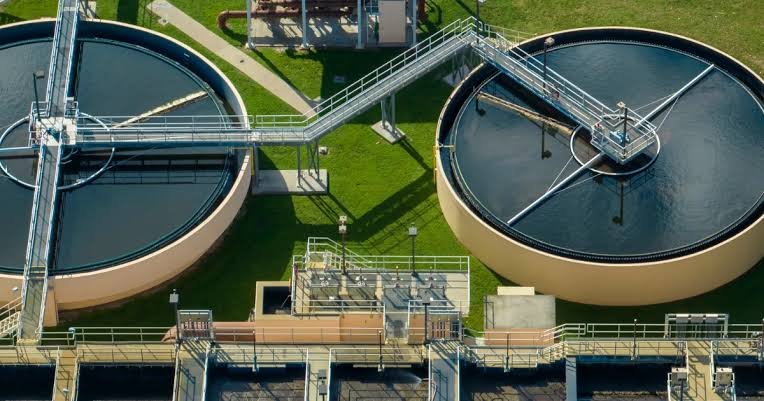
For instance, drinking water applications may require certified filtration equipment and components suitable for potable water. Irrigation systems place greater emphasis on flow rates, pressure requirements, sediment management, and dependable pumping. Industrial processes may involve more demanding chemical compatibility, temperature limits, or continuous-duty requirements.
A catalogue organized by application helps buyers move from a practical need to the appropriate equipment category. Instead of browsing through unrelated products, they can focus on solutions intended for a particular task.
Imagine a property owner dealing with frequent sediment buildup. The obvious starting point is filtration, but the right choice depends on particle size, water flow, and how quickly the filter becomes clogged. A basic cartridge filter might suit a small household, while a higher-capacity backwashing filter could be more appropriate for a larger system. Neither is automatically better; the application determines the sensible choice.
The same principle applies to pumps. A unit selected only because its advertised flow rate looks impressive may not provide the required pressure at the actual operating point. Pipe length, elevation, fittings, and system resistance all affect performance.
When browsing products, look for performance curves, installation guidance, connection details, and recommended operating limits. These specifications are often more useful than a short list of headline features.
Equipment Needs to Be Built for Real Conditions
Water systems rarely operate in perfect laboratory conditions. Temperatures fluctuate, demand rises and falls, water chemistry varies, and components experience normal wear. Equipment must be suitable for the environment in which it will actually be used.
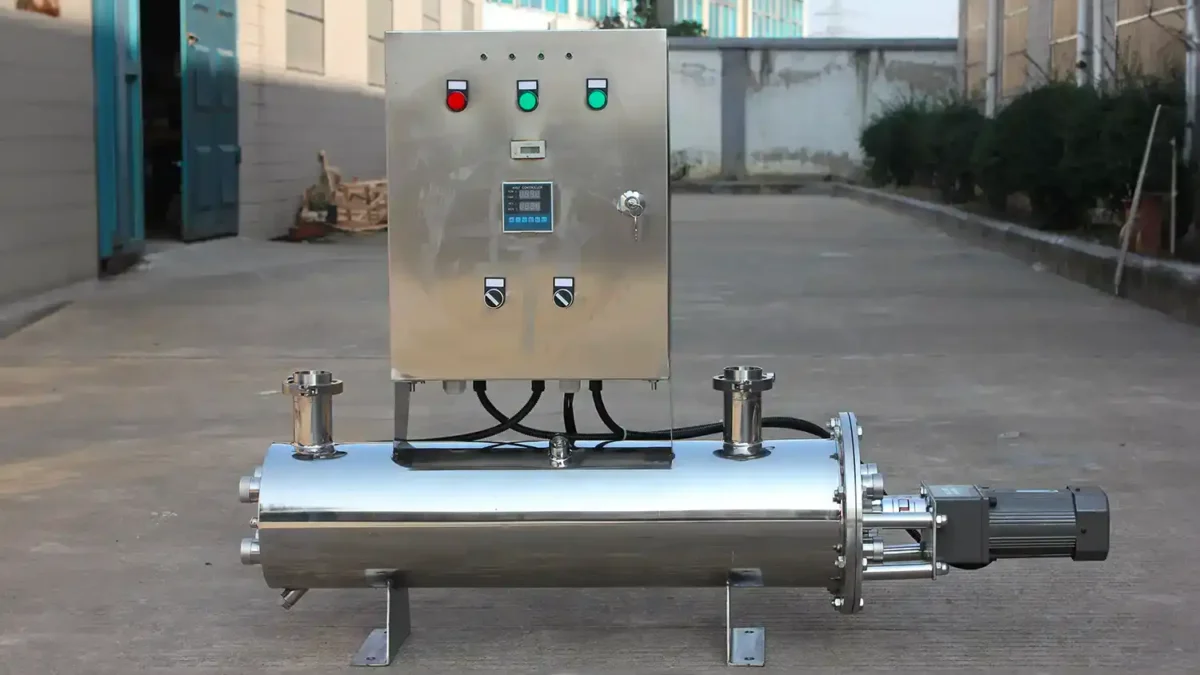
Products built for real conditions should have specifications that reflect practical operating requirements, including pressure ratings, material compatibility, expected duty cycles, and environmental limitations. A component designed for occasional residential use may not be suitable for a facility that runs equipment around the clock.
Material selection is particularly important. Certain water conditions can accelerate corrosion, while some treatment chemicals may damage incompatible seals, housings, or tubing. If a component will come into contact with drinking water, confirm that it meets the relevant requirements for that use. If it will handle chemicals, check the manufacturer’s compatibility information instead of assuming that a durable-looking material will be suitable.
Environmental factors deserve attention, too. Outdoor installations may need protection from weather, freezing temperatures, excessive heat, or physical damage. Equipment installed in dusty or humid locations may require an appropriate enclosure or a specific protection rating.
It’s also worth considering what happens when something goes wrong. Can the component be inspected easily? Are replacement parts available? Can a technician service the equipment without dismantling half the installation?
These practical details don’t always make for exciting product descriptions, but they often determine whether a system remains reliable over the long term.
Balancing Initial Cost With Long-Term Value
Price naturally influences purchasing decisions. When several products appear to offer similar performance, choosing the least expensive option can seem sensible. Yet the initial purchase price tells only part of the story.
A more useful comparison includes energy consumption, consumables, service requirements, expected lifespan, and the cost of potential downtime. For a household, an affordable filter with readily available replacement cartridges may be a practical choice. For a commercial operation, a small difference in pump efficiency could become significant if the equipment runs for many hours each day.
Consider maintenance before committing to a product. Some systems require frequent cartridge changes, while others use washable or backwashing components. Certain installations need periodic calibration or specialist servicing. The best option depends on the water conditions, available maintenance support, and the time or budget the owner can reasonably commit.
Warranty terms also deserve a closer look. Understand what the warranty covers, which installation conditions apply, and whether service or replacement components are readily available. Clear documentation is a useful sign that the supplier expects buyers to make informed decisions.
Buying for long-term value doesn’t always mean buying the most expensive equipment. It means looking beyond the price tag and considering how the product will perform throughout its useful life.
Compatibility Can Make or Break an Installation
Even a high-quality product can cause problems when it doesn’t match the rest of the system. Pipe connections may differ, electrical requirements may be incompatible, or the unit may need a flow rate that the existing pump cannot provide.
Before ordering, check dimensions, connection standards, operating pressure, power requirements, and any necessary accessories. For treatment equipment, confirm whether prefiltration, drainage, ventilation, or additional controls are required.
When replacing an existing component, don’t rely on appearance alone. Record the model number and compare the original specifications with the replacement. A unit that fits into the same space may still have different performance characteristics.
For more complex installations, advice from a qualified installer or water treatment specialist can be worthwhile. They can assess the complete system rather than treating each product as an isolated purchase.
Making a Better Decision Before You Buy
Choosing water system equipment becomes much easier when the process begins with a clear understanding of the application. Identify the problem, establish the required operating conditions, compare technical specifications, and consider maintenance alongside the purchase price.
Look for suppliers that provide accurate product information, explain compatibility requirements, and make replacement parts accessible. Ask questions whenever a specification is unclear. It’s better to spend a little extra time checking details than to discover an avoidable mismatch after installation.
A dependable water system isn’t built around one impressive product. It depends on several components working together under the conditions they’re designed to handle. With thoughtful product selection and a practical approach to maintenance, homeowners and businesses can build systems that are efficient, reliable, and ready for everyday demands.