Clean water is something most of us take for granted until a strange smell, cloudy appearance, or worrying test result gives us a reason to pause. Even when water looks perfectly clear, it may contain microorganisms that aren’t visible to the naked eye. For homeowners who rely on well water or want an additional layer of protection, understanding modern purification methods can make a real difference. One option worth exploring is ultraviolet treatment, a technology that uses light rather than traditional chemical disinfectants to help make water safer.
Of course, no single solution is right for every household. Water quality varies from one property to another, and choosing the right equipment starts with understanding what’s actually in the supply.
What Is UV Water Purification?
UV water purification uses ultraviolet light to help control harmful microorganisms, including certain bacteria, viruses, and protozoa. As water passes through a specially designed chamber, it receives exposure to UV light at a specific wavelength. This process damages the genetic material of susceptible microorganisms, preventing them from reproducing effectively and causing infection.
One of the biggest advantages is that the process doesn’t require adding chlorine or other disinfectant chemicals to the water. It also doesn’t intentionally change the water’s taste, smell, or mineral content. That’s appealing to people who want an additional treatment step without altering the qualities they already like about their drinking water.
Still, UV purification has limits. It doesn’t remove dissolved minerals, sediment, pesticides, heavy metals, or most chemical contaminants. It also doesn’t physically filter microorganisms out of the water. Instead, it inactivates susceptible organisms when the system operates correctly.
That distinction matters. UV treatment can be highly useful, but it’s not a universal answer to every water quality concern.
Why Some Homes Need Additional Water Protection
Municipal water supplies are generally treated and monitored, but water can still encounter problems as it travels through plumbing or enters a building’s storage system. Private wells present a different challenge because homeowners are responsible for arranging appropriate testing and maintenance.
Heavy rainfall, flooding, damaged well caps, nearby septic systems, and changes in groundwater conditions can introduce microorganisms into a private supply. Sometimes the warning signs are obvious, such as unusual cloudiness or an unpleasant smell. Other times, contaminated water looks and tastes completely normal.
That’s why appearance alone isn’t a reliable measure of safety. A clear glass of water can still contain contaminants that require laboratory testing to identify.
For households with a private well, young children, older adults, or people with weakened immune systems, understanding potential contamination risks is especially important. The right approach isn’t to assume the water is unsafe, but to verify its quality and respond to the results.
Start With a Professional Water Test
Before purchasing treatment equipment, arrange a professional water test to determine which contaminants may be present. Testing provides a useful starting point, helping homeowners avoid spending money on a system that doesn’t address their actual needs.
Depending on the water source and local risks, testing may include total coliform bacteria, E. coli, nitrates, arsenic, hardness, pH, iron, and other relevant parameters. The appropriate panel varies by location and circumstances, so a qualified laboratory or water treatment professional can help identify the most useful tests.
For private wells, routine testing is particularly important. Testing at least annually for coliform bacteria and nitrates is a common recommendation in the United States, although local guidance may differ. Additional testing may be advisable after flooding, repairs, changes in taste or appearance, or other events that could affect the supply.
A test result also helps determine whether UV treatment should be combined with filtration or another purification method. For example, water containing high levels of iron or suspended particles may require pretreatment before it reaches a UV unit. Without that step, particles can shield microorganisms from the light and reduce treatment effectiveness.
How UV Treatment Fits Into a Complete System
A properly designed water treatment system addresses the specific issues identified through testing rather than relying on a single piece of equipment to do everything.
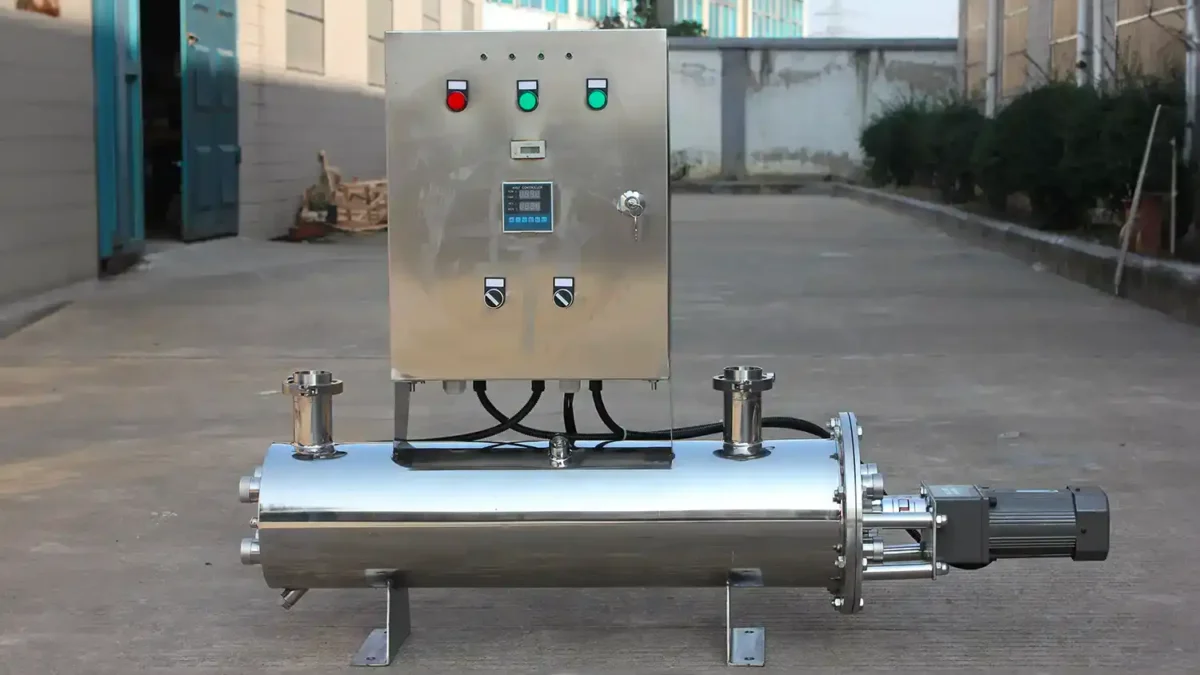
UV purification is often installed near the point where water enters a home, allowing treated water to flow through the household plumbing. In other situations, a smaller unit may be used for a particular drinking water outlet. The best arrangement depends on the water source, plumbing layout, flow rate, and the level of protection required.
Pretreatment is often essential. Sediment filters can remove suspended particles, while other filters may address iron, manganese, or organic matter. Activated carbon can improve taste and odor and reduce certain chemicals, although it doesn’t remove every contaminant. Reverse osmosis may be appropriate when testing identifies dissolved substances that require a more specialized solution.
The order of these components matters, too. A technician can assess whether filtration should come before UV exposure and ensure that the equipment is sized for the household’s peak water demand.
The goal is simple: each treatment stage should perform a clear job, and the combined system should match the water conditions rather than being more complicated than necessary.
Choosing the Right UV Purification Equipment
Not all UV units are interchangeable. When comparing options, look beyond the initial purchase price and consider performance, reliability, and ongoing maintenance.
First, check that the system is appropriately rated for the household’s flow rate. If water moves through the chamber too quickly, it may not receive the required UV exposure. A unit designed for a small cabin, for instance, may not be suitable for a busy family home with several bathrooms.
Look for equipment with clear performance specifications, suitable certification where available, and monitoring features that alert users to lamp failure or inadequate operation. A UV intensity sensor can provide an additional layer of oversight, although its usefulness depends on the model and installation.
Installation quality is just as important as equipment selection. The chamber must be installed according to manufacturer instructions, and the water should meet the unit’s requirements for clarity and UV transmittance. Professional installation can help avoid plumbing mistakes and confirm that the equipment is suitable for the intended application.
Maintenance Makes a Difference
UV systems aren’t usually difficult to maintain, but they shouldn’t be installed and forgotten. Most units require periodic lamp replacement, commonly around once a year, depending on the manufacturer’s instructions. A lamp may continue to glow after its useful germicidal output has declined, so appearance alone isn’t a dependable way to judge performance.
The quartz sleeve surrounding the lamp also needs periodic inspection and cleaning. Mineral deposits or other buildup can block UV light, reducing the system’s effectiveness. Sediment filters must be replaced as recommended, and warning indicators should never be ignored.
After maintenance, follow the manufacturer’s instructions for restarting and sanitizing the system where necessary. If a UV unit fails or an alarm indicates inadequate treatment, use an alternative safe water source until the problem has been corrected and any required checks have been completed.
A Practical Investment in Water Confidence
UV purification can be a valuable part of a home’s water protection plan, particularly when microbial contamination is a concern. Its chemical-free disinfection process, relatively compact design, and straightforward operation make it an attractive option for many properties.
But good water treatment begins with evidence, not assumptions. Testing reveals what needs attention, proper equipment selection addresses those findings, and regular maintenance keeps the system working as intended.
If you’re considering UV treatment, start by understanding your water supply and speaking with a qualified professional about the results. The best solution may involve UV light alone for a suitable application, or it may combine disinfection with filtration and other targeted treatments.
Clean water isn’t just about what comes out of the tap today. It’s about having confidence that the water your household uses every day is being treated appropriately, with a system designed around real needs rather than guesswork.