There’s something oddly unsettling about turning on the kitchen tap and noticing that the water doesn’t taste quite right. Maybe it has a faint metallic flavor. Perhaps it smells like rotten eggs, chlorine, or something you can’t quite put your finger on. Even when the water looks perfectly clear, a strange taste or smell can make you hesitate before filling your glass.
The good news is that unusual water quality doesn’t always mean there’s a serious problem. Different sources contain different naturally occurring minerals, treatment chemicals, and organic compounds. Still, persistent changes shouldn’t simply be ignored. Understanding what causes these issues is the first step toward finding a sensible solution.
Why Does Water Sometimes Taste Different?
Water itself is naturally tasteless, so what we notice is usually the result of dissolved substances. Minerals such as iron, manganese, calcium, and magnesium can affect flavor. In some homes, older plumbing can also contribute metallic or earthy notes, particularly if water sits in pipes for several hours.
Chlorine is another common culprit. Municipal water suppliers often disinfect drinking water with chlorine or chloramine. These treatments are useful for controlling harmful microorganisms, but some people are more sensitive to their flavor and smell than others.
Then there are chemical tastes that may come from disinfectants, plumbing materials, or other dissolved substances. A sudden change deserves more attention than a taste that has been present for years. If your water suddenly starts tasting unusual, it’s worth investigating whether something has changed with the source, plumbing, or treatment process.
What Causes Unpleasant Water Odors?
Smell can be even more noticeable than taste. A glass of water that smells strange tends to make people suspicious immediately—and honestly, that’s understandable.
A rotten-egg smell is often associated with hydrogen sulfide, particularly in private well water. Certain bacteria can also contribute to sulfur-like odors. Meanwhile, a chlorine smell may simply reflect the disinfectant used by a public water system.
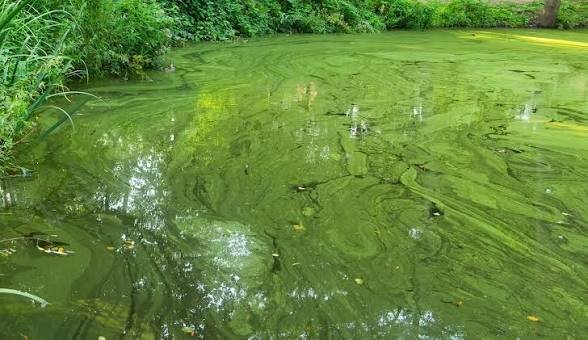
Some homeowners notice musty or earthy smells, especially when water comes from a private well. Organic matter, bacteria, or naturally occurring compounds can sometimes be responsible.
Of course, unwanted odors aren’t always a sign that the water is unsafe. But persistent or newly developed smells shouldn’t be brushed aside. The smell can provide a useful clue about what’s happening in the water.
Municipal and Well Water Have Different Challenges
One reason water quality problems can be confusing is that there isn’t a single solution that works for every home. The source matters.
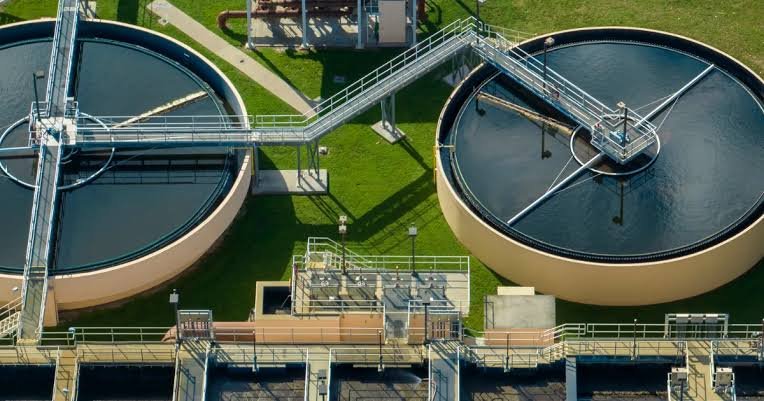
With municipal and well water, the challenges can be quite different. Public water supplies are generally treated before reaching homes, so chlorine taste, disinfectant byproducts, sediment, and aging distribution pipes may be concerns. Private wells, on the other hand, aren’t typically treated by a centralized utility. Their quality can vary according to local geology, groundwater conditions, nearby land use, and seasonal changes.
Well owners have an especially important responsibility because the water quality can change over time. A well that has produced pleasant-tasting water for years can develop iron, sulfur, bacteria, or other problems later.
That’s why guessing isn’t a great strategy. Water testing provides a much clearer picture.
Start With a Water Test
Before buying a filtration system, it’s smart to find out what’s actually in the water.
A basic water test may examine factors such as pH, hardness, iron, manganese, nitrate, and bacteria. Depending on the location and suspected problem, additional testing may be appropriate.
Testing is particularly useful when the water has suddenly changed. For example, if a family has always had clear, normal-tasting water and suddenly notices a strong odor, there could be a change in the well, plumbing, or source conditions.
Testing also helps prevent another common mistake: buying a filter simply because it sounds impressive.
A system designed to reduce chlorine isn’t necessarily the right choice for iron. A softener designed for hardness won’t solve every odor problem. Matching the treatment technology to the actual contaminant is what makes a system effective.
Choosing the Right Filtration Approach
Once you know what you’re dealing with, treatment becomes much easier to understand.
Activated carbon filtration is widely used for reducing chlorine, certain organic compounds, and unpleasant tastes and odors. It can be installed at a single faucet or as part of a whole-home system, depending on the household’s needs.
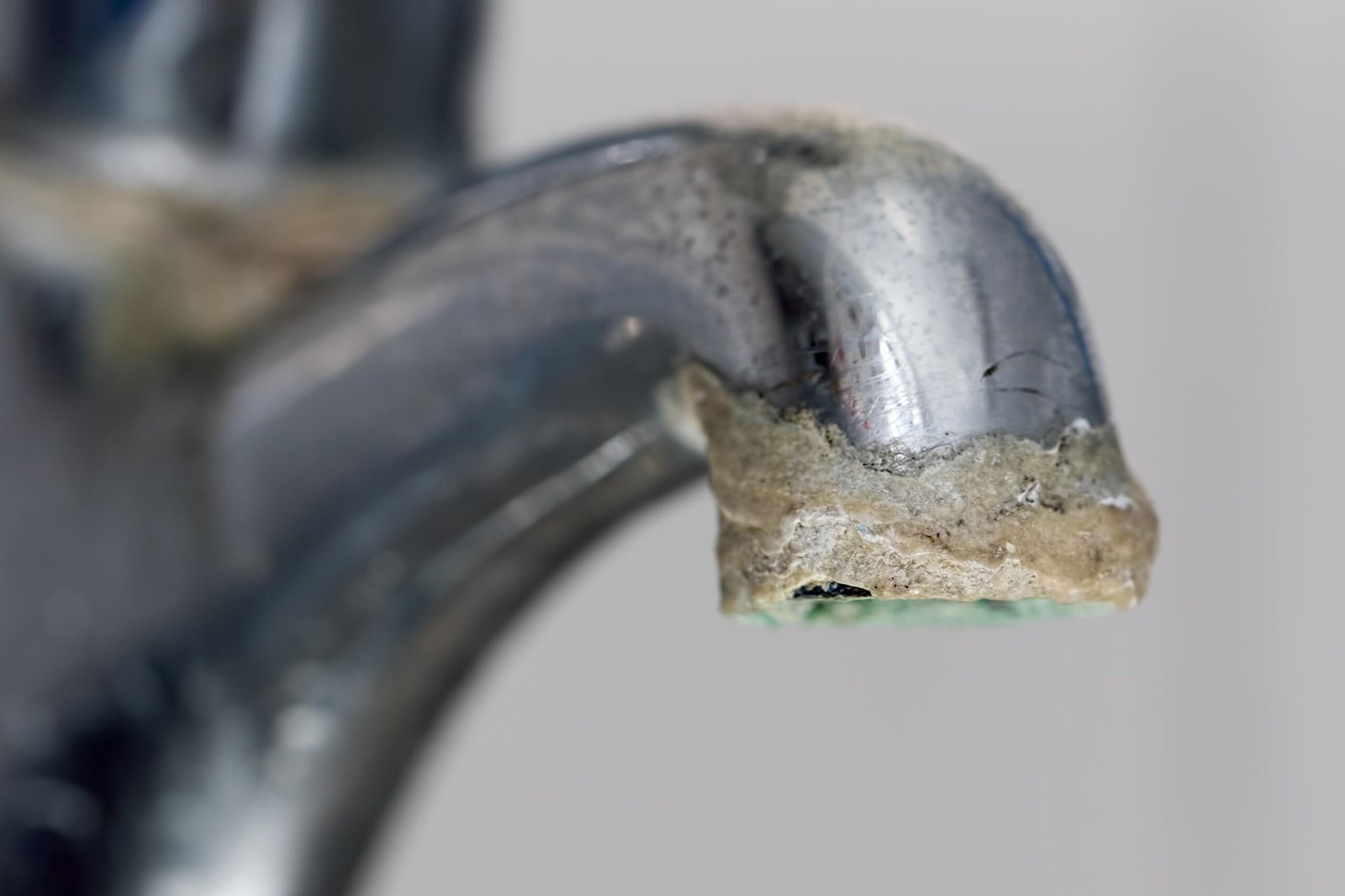
For hard water, a water softener may be more appropriate. Hardness comes mainly from dissolved calcium and magnesium, which can leave scale on faucets, showerheads, appliances, and plumbing fixtures.
Iron and manganese may require specialized filtration. If sulfur odors are the main concern, treatment systems designed specifically for hydrogen sulfide and related conditions may be considered.
Reverse osmosis is another option, particularly for drinking and cooking water. It uses a semipermeable membrane to reduce a broad range of dissolved substances, although it’s not automatically the best solution for every household.
The key is simple: treat the problem you actually have, rather than chasing every possible contaminant.
Don’t Forget About Your Plumbing
Sometimes the water source isn’t the real problem.
If only one faucet produces strange-tasting water, the fixture or local plumbing could be contributing to the issue. Water that sits in pipes overnight may also taste different during the first few seconds after the tap is turned on.
Older plumbing materials can sometimes affect taste, too. Corrosion may introduce metals into water, while sediment can accumulate inside pipes and fixtures.
Try running the cold-water tap for a short period and see whether the taste or smell changes. If it disappears quickly, stagnant water or localized plumbing may be part of the explanation. If the issue remains throughout the home, the source or whole-house plumbing deserves closer attention.
When Should You Take Water Quality Seriously?
Not every odd smell calls for panic, but certain situations deserve prompt attention.
If water suddenly changes color, develops a strong chemical smell, produces persistent odors, or causes unusual staining, investigate it. The same goes for changes after flooding, plumbing repairs, well maintenance, or nearby construction.
Private well owners should be especially consistent with testing. Groundwater conditions aren’t fixed forever, and contamination can occur even when water looks completely normal.
And remember, appearance isn’t a reliable safety test. Clear water can still contain substances you don’t want to drink.
Better Water Starts With Knowing What’s Wrong
Strange-tasting or foul-smelling water can be frustrating, especially when you’re trying to provide safe, pleasant drinking water for your family. But the answer usually isn’t to keep guessing at filters or ignore the problem until it gets worse.
Start by identifying the source. Test the water when appropriate. Look at the plumbing. Then choose a treatment method based on the actual issue.
Good water treatment isn’t about making water “perfect.” It’s about making it cleaner, more pleasant, and better suited to the people and plumbing system in your home. Once you understand what’s causing the taste or smell, finding the right solution becomes a whole lot less complicated.