Most people don’t think about water until it gives them a reason to. A strange taste in the morning coffee, a faint smell when the shower starts, or white marks that keep appearing around the sink can be enough to make you wonder what’s actually coming through the pipes.
The interesting part is that these signs can have very different causes. Some are related to naturally occurring minerals, while others may come from treatment processes, plumbing, or changes in the water supply. Knowing the difference matters because the right solution depends on the problem.
You don’t necessarily need a complicated treatment setup, either. Sometimes a simple filter can make a noticeable difference. Other situations call for a more comprehensive approach.
Why Water Can Taste or Smell Different
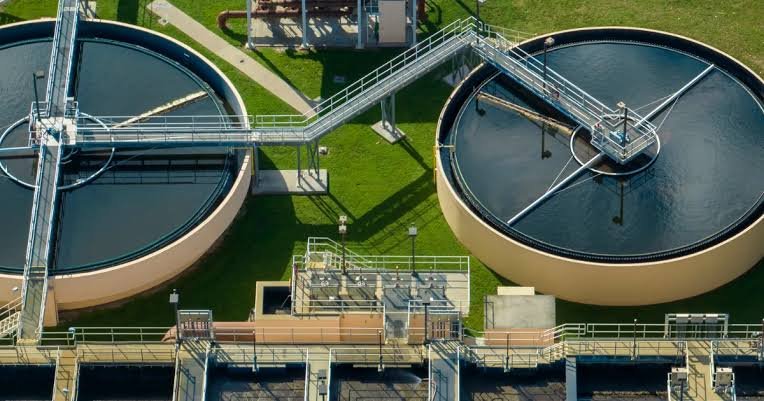
Municipal water is treated to help control harmful microorganisms, and one commonly used disinfectant is chlorine. It serves an important purpose, but some people notice its characteristic taste or smell in their drinking water.
The amount present can vary depending on the local water supply and distribution system. You might notice it more strongly after the water has been sitting in pipes for several hours, or during periods when treatment conditions change.
Carbon filtration is commonly used to reduce chlorine taste and odor. A simple drinking-water filter may be enough if the concern is limited to the kitchen. For households that want to address taste and odor throughout the property, a whole-home carbon system may be worth considering.
The key is not to treat chlorine as automatically “bad.” Its role in water disinfection is important. The question is whether its taste or odor is something you’d like to reduce.
Where Unpleasant Odors Come From
Water odors can be surprisingly confusing because several different things may cause them.
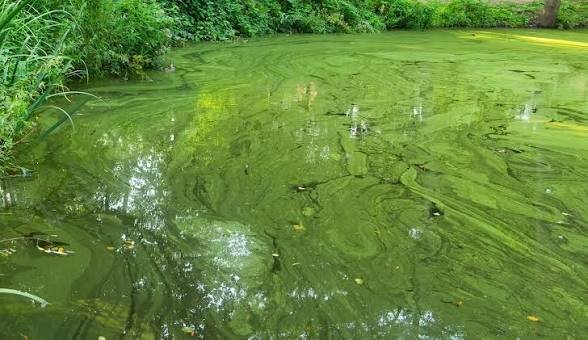
A musty smell could have one explanation, while a rotten-egg-like odor may have another. In private well systems, sulfur-related compounds can sometimes contribute to unpleasant smells. Organic material, plumbing conditions, or bacterial activity can also play a role.
If odors suddenly appear when they weren’t there before, don’t simply cover them up with a filter without investigating.
Testing can help identify the underlying cause. In some situations, treatment may involve carbon filtration, aeration, oxidation, or disinfection. The appropriate method depends on what is actually producing the odor.
And if the smell is accompanied by a noticeable change in water appearance or taste, it’s worth taking the issue more seriously and having the water evaluated.
The Everyday Problem of Mineral Buildup
Hard water often announces itself slowly.
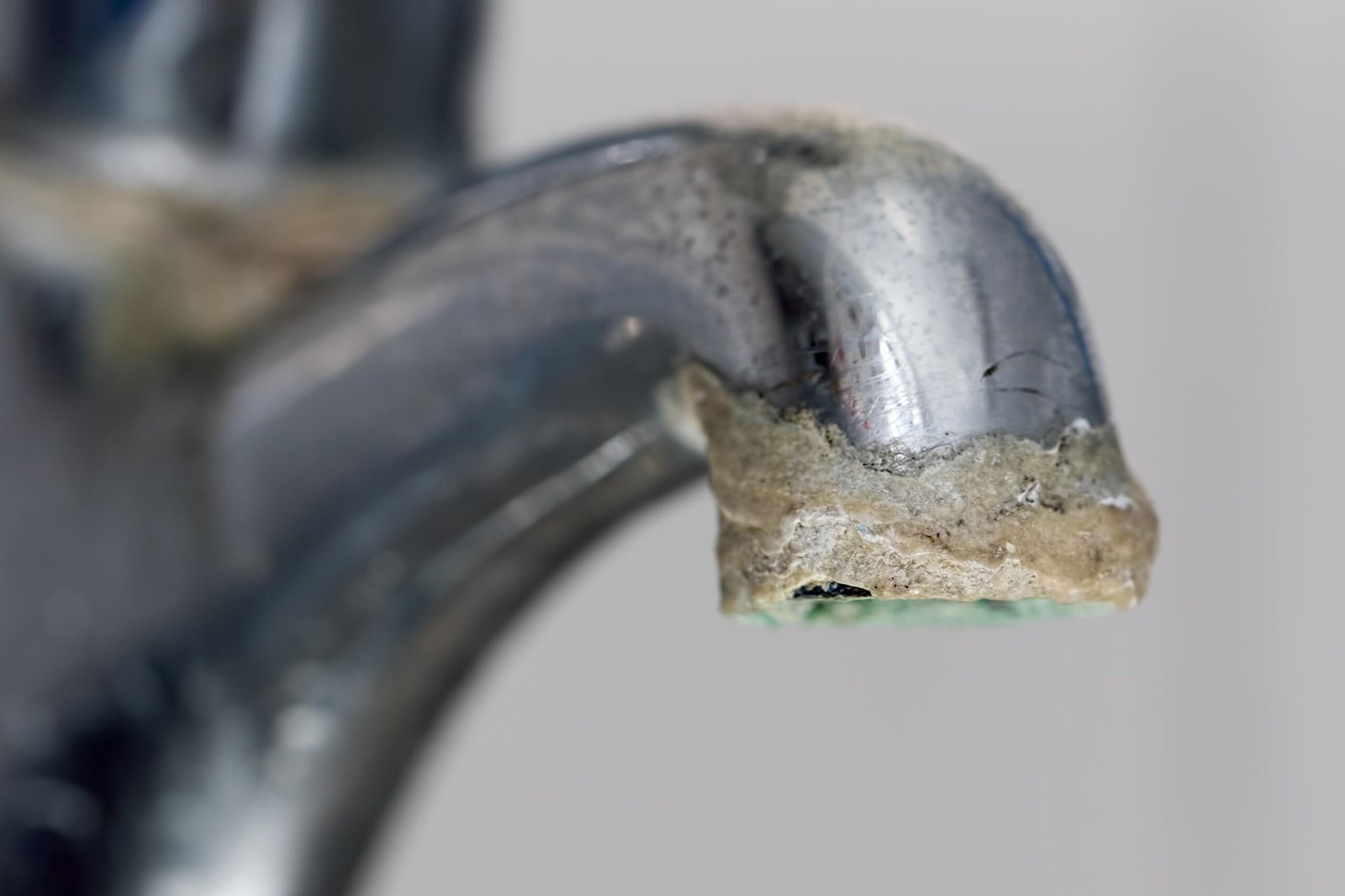
You may first notice a few white spots on your glassware. Then the showerhead starts looking crusty. Eventually, the faucet seems to have developed its own little collection of minerals.
This mineral buildup is typically associated with dissolved calcium and magnesium in hard water. As water evaporates or is heated, these minerals can form scale on surfaces and inside equipment.
Water heaters are particularly vulnerable because heating encourages mineral deposits to accumulate. Over time, scale can affect efficiency and contribute to maintenance problems.
A water softener can help reduce hardness by removing calcium and magnesium through ion exchange. If scale is the main concern throughout the house, whole-home softening may be more useful than individual faucet filters.
Don’t Assume Every Water Problem Is the Same
One of the biggest mistakes homeowners make is assuming that a single treatment method can solve every water-quality concern.
A softener is designed primarily for hardness. A carbon filter can reduce chlorine taste and odor. A sediment filter targets suspended particles. Reverse osmosis provides more extensive filtration for drinking water.
These systems have different jobs.
If you install a water softener because your water smells like sulfur, for example, you may be disappointed. Likewise, a carbon filter won’t necessarily solve significant hardness problems.
Before spending money, identify the issue first.
Testing Takes the Guesswork Out
Water testing is one of the simplest ways to understand what’s happening.
A basic analysis may measure hardness, pH, chlorine, iron, sediment, and other common characteristics. Private well owners may need additional testing based on local conditions and potential groundwater concerns.
Testing is especially helpful when symptoms aren’t clear. Perhaps the water looks fine but tastes strange. Maybe scale keeps returning despite cleaning. A test can provide information that isn’t obvious just by looking at the water.
Some providers offer introductory testing services, while more comprehensive laboratory testing may be available when greater detail is needed.
Think of testing as the starting point rather than the final answer.
Consider Where the Problem Happens
Location matters when choosing treatment.
If the issue is limited to drinking water, an under-sink filtration system may be practical. It treats water at one point without changing the rest of the household plumbing.
But if scale affects every bathroom, the laundry room, and the water heater, point-of-use filtration won’t solve the bigger problem.
A whole-home system treats water as it enters the property, making it more suitable for widespread concerns.
Sometimes the best setup combines both approaches. A household might use a whole-home softener for hardness and a dedicated kitchen filter for drinking water.
Maintenance Keeps Systems Effective
Even the right treatment system needs care.
Filters have replacement schedules. Softener salt needs replenishing. Reverse osmosis membranes eventually need changing. Other systems may require periodic cleaning or professional servicing.
Neglecting maintenance can make a good system perform poorly.
Pay attention to changes in water taste, pressure, smell, or appearance. If a problem returns after months of good performance, check the filter and system condition before assuming the entire unit has failed.
A simple maintenance calendar can help keep things on track.
Choosing a Solution That Actually Fits
Water treatment isn’t about buying the most advanced equipment available. It’s about matching the technology to the water.
Start with testing. Identify the concern. Consider whether you need treatment at one faucet or throughout the home. Then look at installation costs, maintenance requirements, replacement parts, and long-term operating expenses.
If you’re working with a professional, ask them to explain why a particular system is being recommended. You should understand what it treats, what it doesn’t treat, and what kind of maintenance it requires.
A clear explanation is a good sign.
Better Water Doesn’t Have to Be Complicated
The little clues around your home — a strange taste, recurring odors, or stubborn scale — can tell you that your water deserves a closer look.
But don’t jump straight from a symptom to a product. Find the cause first.
Once you understand what’s actually happening, treatment becomes much less mysterious. You may need a simple carbon filter, a water softener, a whole-home system, or a combination of technologies.
The goal isn’t to make your water treatment setup impressive. It’s to make your water more suitable for the way you live.
And when the system quietly does its job in the background, protecting fixtures, improving everyday comfort, and making the morning glass of water taste right, that’s a pretty good result.