Water is one of those everyday essentials that quietly shapes our comfort. We use it when making coffee in the morning, washing dishes after dinner, taking a shower, or doing a load of laundry. Most of the time, we don’t think twice about it. But when the water starts leaving stains, smells unusual, or tastes different, it quickly becomes something we notice.
These little signs can be frustrating. You clean the faucet, replace a showerhead, or buy another bottled water pack, yet the problem keeps coming back. Sometimes, the real solution isn’t another cleaning product. It starts with understanding the quality of water entering your home and deciding whether treatment is necessary.
Why Water Quality Can Differ From One Home to Another
Water quality depends on several factors, including its source, mineral content, treatment process, and the condition of the plumbing through which it travels. Municipal water and groundwater can have very different characteristics, even within the same community.
Hard water is a familiar problem in many households. It contains minerals such as calcium and magnesium that can leave deposits on faucets, shower screens, cookware, and appliances. These deposits may build up gradually, making cleaning more difficult and sometimes affecting the performance of water-using equipment.
Other concerns include sediment, chlorine taste, unpleasant odors, or discoloration. While water may look clear, its appearance alone doesn’t tell you everything about its composition. A simple water test can help identify the issues and provide a more reliable starting point for treatment.
Finding a Treatment Solution That Actually Works
Choosing a water treatment system without understanding the problem can be a bit like buying medicine without knowing what’s causing the discomfort. Different technologies serve different purposes, and not every filter is designed to remove the same substances.
Reliable home water treatment and filtration begins with identifying the water conditions and the needs of the people using it. Some households mainly want to reduce chlorine taste and odor, while others need help managing sediment, iron, or specific contaminants. Homes with hard water may require a dedicated softener rather than a conventional filtration cartridge.
Once the water has been tested, selecting equipment becomes much easier. Instead of relying on guesswork or sales recommendations alone, homeowners can compare technologies according to their actual requirements, expected performance, and maintenance costs.
How Household Filtration Supports Everyday Living
Water is used throughout the property, not just at the kitchen sink. Showers, bathroom faucets, washing machines, dishwashers, and water heaters all depend on a dependable supply. When certain water quality problems affect the entire house, treating water at the point of entry can be a practical approach.
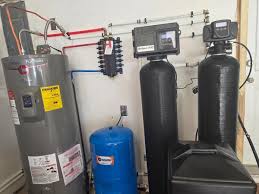
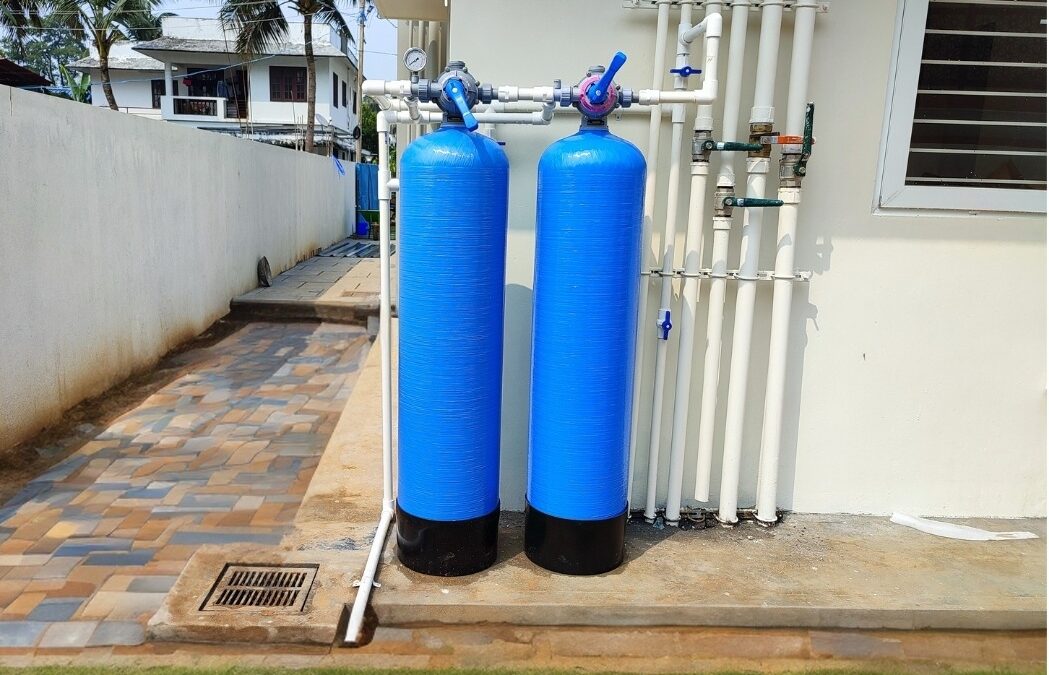
Good filtration for household water quality can help address concerns such as sediment, chlorine, and unpleasant odors when the equipment is designed for those specific purposes. Whole-house filtration systems are installed where the incoming water supply enters the plumbing, allowing treated water to reach multiple outlets.
For families, this can offer convenience. Instead of maintaining several small filters in different rooms, a central system can handle particular filtration needs for the property. It may also help reduce sediment entering plumbing fixtures and selected appliances, depending on the system’s capabilities.
That said, filtration isn’t a one-size-fits-all solution. Dissolved minerals, certain chemicals, and specific contaminants may require different technologies. Understanding what a filter can and cannot do is essential.
Exploring Whole-Home Filtration Options
There are several whole-home filtration options available today, ranging from simple sediment filters to multi-stage systems that combine different filtration media. Activated carbon is commonly used to reduce chlorine and certain compounds that affect taste and odor. Sediment filters capture suspended particles, while specialized media may be selected for particular water quality concerns.
Some properties benefit from a combination of filtration and water softening. Others may require additional drinking-water treatment, such as reverse osmosis, at a kitchen faucet. The right setup depends on the water source, household consumption, plumbing layout, and test results.
When comparing systems, don’t focus entirely on the initial purchase price. Filter replacement frequency, operating expenses, flow rate, warranty coverage, and availability of service support all matter. A system that seems inexpensive initially may become costly if its consumables are difficult to find or require frequent replacement.
Installation and Maintenance Make a Difference
Even quality equipment can disappoint when installed incorrectly. The installation location should allow convenient access for filter changes, while plumbing connections and pressure requirements need to be considered carefully. Professional installation is often helpful when dealing with multiple treatment stages or existing plumbing limitations.
Maintenance is part of owning any filtration system. Filters gradually collect particles or lose their effectiveness, so replacing them according to the manufacturer’s schedule is important. Ignoring maintenance can lead to reduced flow, poor performance, and unnecessary complications.
Keeping track of replacement dates doesn’t require much effort. A simple reminder on your phone or a note near the system can prevent you from forgetting about it for months.
Making Water Quality a Long-Term Priority
Better water quality isn’t about installing the biggest or most expensive equipment available. It’s about finding a sensible solution that addresses your concerns without adding unnecessary complexity to your daily life.
Start with a water test, understand your household’s needs, and compare treatment systems based on their capabilities. Ask about maintenance, installation, and long-term expenses before making a decision.
When the water you use every day is properly treated, the benefits can be surprisingly simple: cleaner fixtures, more pleasant drinking water, easier household cleaning, and greater confidence in your water supply. These small improvements may not seem extraordinary, but they can make home life feel a little easier, and that’s often what matters most.