There’s a certain freedom that comes with having your own well, especially if you enjoy the quieter side of life in the Treasure Valley. But when your bathroom smells like rotten eggs or freshly washed clothes develop mysterious orange stains, managing your own water supply suddenly feels less appealing.
Fortunately, appropriate iron and sulfur treatment for well water can help homeowners tackle these recurring problems and enjoy a more comfortable household environment.
The challenge is figuring out exactly what’s happening with your groundwater. Iron and sulfur-related issues are quite different, even though they sometimes occur together. Understanding their causes makes it easier to choose effective treatment without spending money on equipment that doesn’t deliver the results you need.
Why Iron and Sulfur Find Their Way Into Groundwater
Water moving beneath the earth’s surface comes into contact with various minerals, rocks, and naturally occurring substances. These interactions influence the characteristics of the water that eventually reaches your well.
Iron can dissolve into groundwater under certain conditions. When exposed to oxygen, dissolved iron may form reddish-brown particles that leave noticeable stains.
Hydrogen sulfide, on the other hand, produces that distinctive rotten egg smell. It may occur naturally in groundwater or develop through certain bacterial activities.
Interestingly, unpleasant odors that appear exclusively when using hot water may originate within the water heater.
Identifying where the problem begins is important. Otherwise, you could invest in treating your entire water supply when the actual issue lies somewhere else.
Finding Filtration That Addresses the Real Problem
A basic water filter might seem like an affordable answer to discolored water or unpleasant smells. Unfortunately, treating groundwater isn’t always that straightforward.
Effective filtration solutions for private wells should be selected according to contaminant concentrations, water chemistry, household consumption, and the specific characteristics of the groundwater supply.
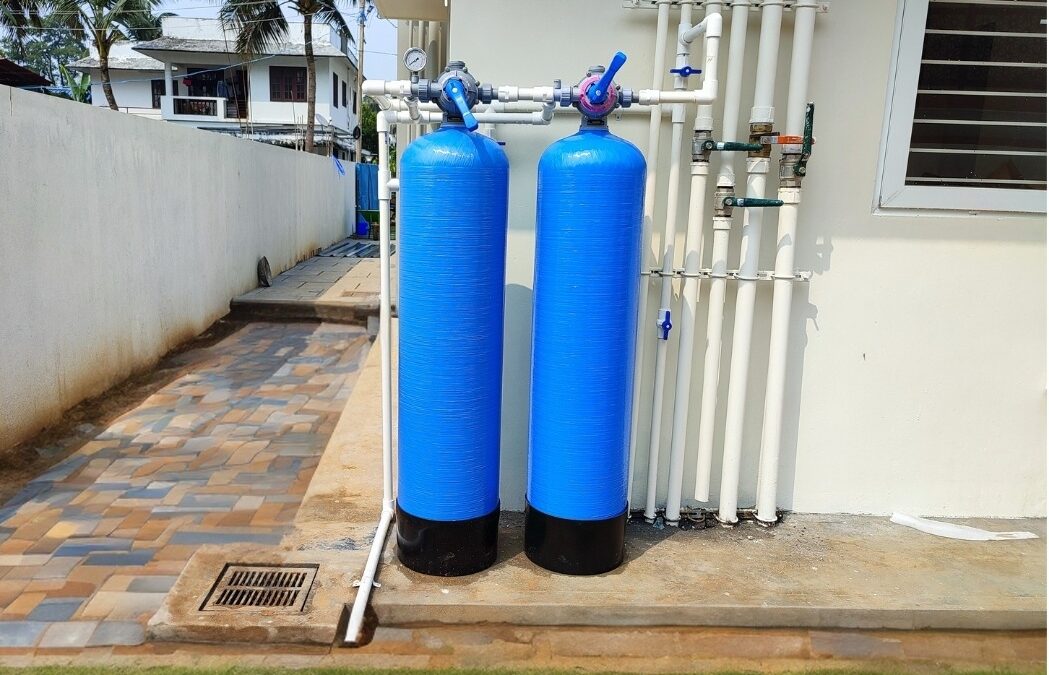
Oxidation-based systems can convert dissolved iron into particles that specialized filtration media can capture. Certain oxidation and filtration arrangements can also help reduce hydrogen sulfide.
Sediment filters are useful for capturing suspended debris, but they generally cannot remove dissolved iron independently.
The effectiveness of each treatment method depends on appropriate equipment selection and operating conditions.
Rather than experimenting with several inexpensive filters, it often makes more sense to investigate the underlying cause and choose equipment accordingly.
How Iron-Rich Water Affects Everyday Household Activities
Anyone who has discovered orange marks on a favorite white shirt understands the frustration of excessive iron.
It’s not just laundry, either. Bathroom sinks, shower walls, and toilet bowls can develop stubborn discoloration that requires repeated cleaning.
Iron may also contribute to a metallic taste and accumulate inside certain plumbing components.
Cleaning products can remove existing stains, but the problem will likely return if excessive iron remains in the incoming water.
Appropriate treatment can help reduce new staining and make household maintenance easier.
For busy families, fewer frustrating cleaning tasks can mean having more time for things they’d rather be doing. That’s a practical benefit that’s easy to appreciate.
Dealing With Unpleasant Sulfur Odors
A relaxing evening shower becomes considerably less enjoyable when the bathroom fills with an unpleasant sulfur-like smell.
Although hydrogen sulfide is frequently associated with these odors, determining its source is essential before choosing treatment.
Check whether the smell occurs at every faucet or only when using hot water. These observations can provide useful information during a professional assessment.
Depending on the underlying cause and concentration, suitable treatment may involve aeration, oxidation, or specialized filtration media.
Addressing the source of the odor is generally more effective than attempting to mask it.
And there’s something genuinely satisfying about turning on the faucet without immediately noticing an objectionable smell.
Building a Treatment Plan Around Your Water Quality
Groundwater often presents multiple challenges. Your household might experience iron staining alongside excessive hardness, suspended particles, or microbial concerns.
A thoughtful approach to well water quality treatment considers these different issues collectively while selecting technologies capable of addressing each identified problem.
Traditional softeners can reduce dissolved hardness minerals, while specialized filtration may address elevated iron concentrations.
Additional treatment may be necessary when laboratory testing identifies microorganisms or potentially harmful chemical contaminants.
The sequence of treatment components matters because certain substances can interfere with downstream equipment.
A properly designed arrangement should also accommodate your household’s peak water consumption without unnecessarily restricting water flow or creating excessive maintenance demands.
Regular Testing Is More Important Than You Might Think
It’s easy to judge water quality by its appearance or smell. However, some potentially harmful contaminants cannot be detected through ordinary observation.
Private well owners should arrange regular laboratory testing for microbial contamination, nitrates, and other relevant substances.
Additional testing is particularly important following flooding, well repairs, or unexpected changes in water characteristics.
Maintenance also deserves attention. Filtration media gradually lose effectiveness, cartridges collect debris, and certain treatment systems require periodic backwashing.
Following manufacturer recommendations helps preserve equipment performance.
Keeping a simple record of testing results and servicing dates can make well ownership considerably more manageable.
Enjoying Better Water and Greater Peace of Mind
For homeowners across Boise, Meridian, Nampa, and surrounding Treasure Valley communities, having a private well shouldn’t mean accepting unpleasant odors and rusty stains as permanent inconveniences.
Start with reliable testing, investigate underlying well concerns, and select treatment equipment that matches your property’s specific needs.
Better water can make ordinary experiences more enjoyable, from washing your favorite clothes to taking a refreshing shower after a busy afternoon outdoors.
Looking after your groundwater supply is ultimately about more than removing stains or improving odors. It’s about caring for an essential resource that supports your family’s everyday life.
With appropriate treatment and consistent maintenance, the independence of well ownership becomes something you can genuinely enjoy.