I’ll admit it upfront — I walked into this whole process pretty clueless. My only real reference point was my grandma mentioning her “softener thingy” every time I visited growing up, usually right before complaining about the salt bags being too heavy to carry down to the basement. Beyond that? No idea what these things actually did or why anyone needed one until, well, I needed one myself.
The moment of truth came when my kettle started looking like it had been dredged up from a shipwreck, crusty white deposits clinging to the inside no matter how many times I scrubbed it. A friend took one look, laughed, and said “yep, you need a softener, welcome to the club.” Great. Thanks. Very helpful, except I had absolutely no idea where to even start.
Realizing There’s Actually a Lot of Variety Out There
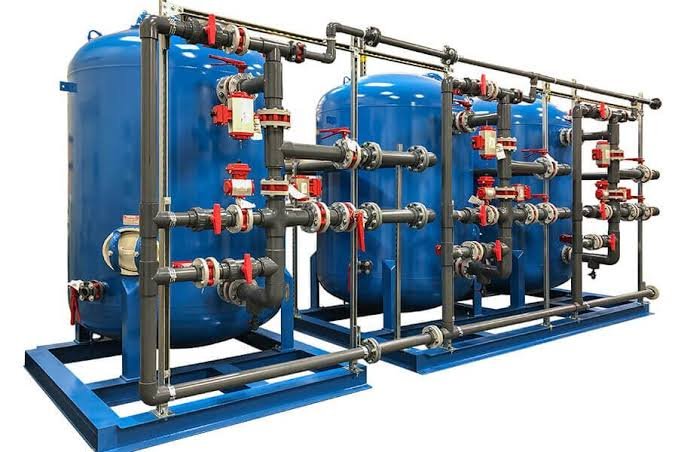
My first mistake was assuming I’d walk into a hardware store, grab one box, done. Instead I found myself staring at a wall of options, completely overwhelmed by how many different water softener systems existed, each claiming to be better than the last in ways I couldn’t actually evaluate without doing homework first. Salt-based, salt-free, single-tank, dual-tank, electric, non-electric — it was a lot to process for someone who’d walked in expecting a simple purchase.
I ended up calling a plumber friend of a friend, mostly out of desperation, and he patiently walked me through the basics over the phone for about twenty minutes. Salt-based systems, he explained, are the traditional route and generally the most effective for actually removing hardness, while salt-free alternatives condition the water without technically softening it, which is a distinction I hadn’t even known existed until that call.
What a Softener Is Actually Doing, In Plain Terms
Once I got past the sheer number of options, understanding the core mechanism was actually pretty simple. A water softener removes calcium and magnesium from your water supply through a process called ion exchange — water flows through a tank containing resin beads coated in sodium ions, and as the hard minerals pass through, they get swapped out for sodium instead. That’s genuinely the whole concept, even though the marketing on some of these boxes made it sound like rocket science.
My plumber friend put it in terms I actually understood, comparing it to a game of musical chairs where sodium ions are just waiting to take the seat calcium and magnesium ions vacate as they pass through the resin. Weirdly, that visual stuck with me more than any of the technical diagrams I’d been squinting at online for two days straight.
The Difference Once It Was Actually Installed
I won’t pretend the install was thrilling to watch, mostly just a plumber doing plumber things while I hovered nearby asking occasional questions. But the difference afterward was honestly kind of immediate. Within a day, I noticed my soap lathering differently, in a good way, actually foaming up properly instead of just sitting there refusing to cooperate the way it had for years.
Soft water does something I genuinely wasn’t prepared for, if I’m being honest — it changes the texture of basically everything it touches. My skin didn’t have that tight, dry feeling after showers anymore. My towels came out of the wash actually soft instead of vaguely stiff and scratchy, which I’d apparently just accepted as normal towel behavior for my entire adult life. Small things, sure, but they added up into a genuinely different daily experience than I expected from what I’d assumed was just a plumbing fix.
What I’d Tell Someone Standing Where I Was
If you’re just starting this process, confused by the wall of options at the hardware store the way I was, don’t feel bad about it — there’s genuinely a lot to sort through, and most of us aren’t walking in with any prior knowledge. Get your water tested first if you haven’t already, figure out how hard it actually is, and don’t be afraid to just call someone and ask dumb questions. My twenty-minute phone call saved me from probably buying the wrong thing entirely, and I’m not too proud to admit I needed that hand-holding.
Looking back, the whole process felt way more intimidating going in than it actually turned out to be once someone explained the basics in plain language. If your kettle’s looking like mine was, or your soap’s refusing to cooperate, don’t just keep scrubbing and complaining about it the way I did for way too long. Ask questions, get it tested, and figure out what actually fits your situation instead of guessing at the hardware store like I almost did.