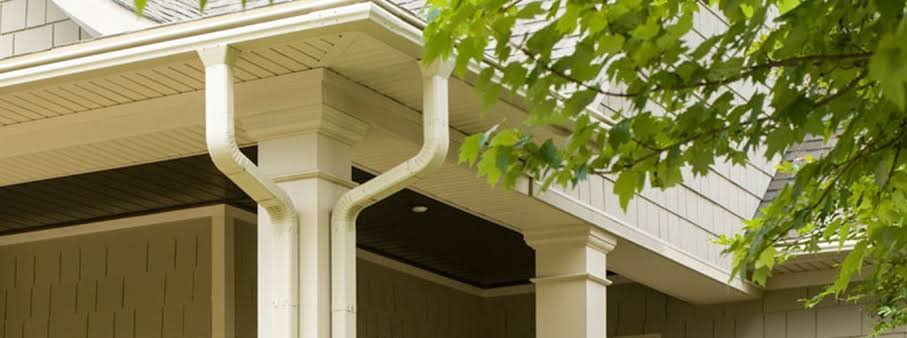
When people talk about protecting a home, the conversation usually revolves around the roof, windows, or foundation. Gutters rarely make the list. They sit quietly along the edge of the roof, doing their job without much recognition, until one rainy afternoon reminds everyone why they matter.
If you’ve ever watched water spilling over clogged gutters instead of flowing through the downspouts, you’ve already seen how quickly a small maintenance issue can become a bigger problem. Overflowing water doesn’t simply disappear—it finds walls, flower beds, walkways, and eventually the foundation if it’s given enough opportunities.
The encouraging part is that keeping a gutter system working properly doesn’t require constant attention. A few thoughtful upgrades and regular maintenance habits can dramatically reduce future repair costs while helping your home stay healthier for years.
Rainwater Needs Direction
Every roof collects an incredible amount of rain throughout the year.
Without an effective drainage system, that water doesn’t politely stay where it’s supposed to. Instead, it runs over roof edges, splashes against siding, pools around the foundation, and gradually wears away soil surrounding the home.
Over time, repeated exposure to moisture can damage paint, wood trim, landscaping, and even structural components that were never intended to remain wet.
That’s why gutters aren’t simply accessories—they’re an essential part of water management.
When they work properly, most homeowners barely notice them.
Strong Drainage Supports Better home protection
One of the simplest ways to improve home protection is by ensuring rainwater moves safely away from the structure.
Proper drainage reduces the likelihood of basement moisture, foundation settlement, siding deterioration, and erosion around the property. It also helps protect fascia boards, soffits, and exterior paint from repeated water exposure.
In many cases, homeowners spend thousands repairing damage that could have been prevented by keeping their gutter system functioning correctly.
It’s easy to underestimate the value of something that quietly works in the background every time it rains.
Routine Maintenance Is Easier Than Major Repairs
Gutters don’t ask for much.
A seasonal inspection, occasional cleaning, and quick repairs when small issues appear are often enough to keep the entire system operating efficiently.
Leaves, twigs, roof granules, and dirt gradually build up inside gutters, especially during autumn. Left untouched, these blockages restrict water flow until rain begins spilling over the edges.
Cleaning debris before it creates problems remains one of the most affordable maintenance tasks any homeowner can perform.
Sometimes preventing damage is surprisingly uncomplicated.
Why Many Homeowners Choose seamless gutters
Traditional sectional gutters contain multiple joints where leaks may eventually develop.
By comparison, seamless gutters are manufactured in longer continuous sections that significantly reduce the number of connection points. Fewer seams generally mean fewer opportunities for water to escape where it shouldn’t.
Beyond improved performance, seamless systems often create a cleaner appearance that complements the home’s exterior.
They’re also designed to handle heavy rainfall more efficiently while requiring less ongoing maintenance than older sectional systems.
For homeowners planning long-term improvements, upgrading to seamless gutters often provides both practical and aesthetic benefits.
Trees Create Beauty—and Extra Work
Large trees make neighborhoods feel established and welcoming.
Unfortunately, they also contribute heavily to clogged gutters.
Leaves, pine needles, seed pods, and small branches collect surprisingly quickly, especially after windy weather. As debris accumulates, water slows, then backs up, eventually overflowing onto roofing materials or exterior walls.
Regular trimming helps reduce buildup, but it doesn’t eliminate the problem entirely.
Properties surrounded by mature trees usually require a little extra attention throughout the year.
How gutter guards Can Reduce Maintenance
Cleaning gutters every season isn’t exactly anyone’s favorite weekend project.
That’s one reason many homeowners install gutter guards to reduce debris entering the system. These protective covers allow rainwater to pass through while helping block larger leaves and branches from accumulating inside.
Although no system completely eliminates maintenance, gutter guards typically reduce cleaning frequency and improve water flow during storms.
For homes located beneath large trees, they can be a worthwhile investment that simplifies seasonal upkeep while helping the drainage system perform more consistently.
Think of them as reducing maintenance—not replacing it altogether.
Don’t Ignore Small Warning Signs
Your gutter system usually gives clear signals when something needs attention.
Water overflowing during moderate rainfall.
Rust forming around seams.
Sagging sections.
Loose brackets.
Small leaks beneath joints.
These warning signs rarely improve on their own.
Addressing them early often requires only minor repairs, while postponing maintenance may allow moisture to affect siding, roofing materials, landscaping, or even the home’s foundation.
Prompt action almost always proves less expensive.
Water Damage Often Develops Quietly
One of the challenges with drainage problems is that damage rarely appears immediately.
Repeated moisture slowly weakens wood trim, softens soil around foundations, stains siding, and creates conditions where mold can develop in hidden spaces.
By the time visible symptoms appear indoors, the original issue may have existed for months.
Routine inspections after major storms provide valuable reassurance that everything continues functioning as intended.
Sometimes catching one loose bracket or blocked downspout prevents a much larger repair later.
Professional Maintenance Has Its Place
While many homeowners are comfortable cleaning gutters themselves, professional inspections offer additional value.
Experienced technicians evaluate slope, drainage efficiency, bracket stability, downspout performance, and areas where water may not be flowing correctly.
They also identify developing issues that aren’t always obvious from the ground.
Scheduling occasional professional maintenance complements routine homeowner care, helping ensure the entire system remains reliable year after year.
It’s a small investment that often prevents expensive surprises.
Final Thoughts
Gutters may not be the most exciting feature of a home, but they’re certainly among the most important. Every rainfall reminds us how much water a house must safely manage, and a dependable gutter system quietly handles that responsibility without asking for much in return.
By keeping gutters clean, upgrading aging systems when needed, and considering improvements like seamless gutters or gutter guards, homeowners can significantly reduce the risk of water-related damage while protecting their property’s long-term value.
At the end of the day, homeownership isn’t about waiting for something to break. It’s about making thoughtful decisions before problems appear. A well-maintained gutter system may never be the first thing guests notice, but it will continue protecting your home through every season—one rainstorm at a time.